



Welcome to CarDekho. A kids car is a fun ride-on vehicle made especially for children. It gives kids a simple and exciting way to enjoy driving during playtime, especially in gardens, driveways, or other safe outdoor areas. Many modern models come with electric motors, rechargeable batteries, parental remote controls, and features such as lights and music.
Choosing the right kids car depends on several important factors, including your child’s age, weight, and the place where the car will be used. Parents should check the battery capacity, voltage, speed, safety features, and build quality before buying. A good kids car should be comfortable, easy for the child to use, and suitable for their size and experience level.
What Is a Kids Car?
A kids car is a small ride-on vehicle designed for children to sit in and operate. Most models are battery-operated cars that use an electric motor and rechargeable battery for movement. Depending on the model, children can control the car using a steering wheel, pedal, or buttons, while some models also offer a parental remote for added control. These cars come in different designs, including sports cars, jeeps, SUVs, and two-seater models, with differences in size, speed, battery power, and features.
How Does a Kids Electric Car Work?
A kids electric car uses a rechargeable battery to supply power to its electric motor. When the child presses the pedal or uses the controls, the motor moves the wheels and allows the car to travel forward or backward. The steering wheel or controls help the child change direction, making the vehicle simple to operate.
Many models also come with a parental remote that allows an adult to control the car when needed. Parents can use it to guide the vehicle, change direction, or stop it. The charging time and driving duration depend on the battery capacity, motor, model, and how the car is used.
Kids Car vs Regular Toy Car
A kids car is designed as a ride-on vehicle, allowing a child to sit inside and experience basic driving. It normally includes a motor, rechargeable battery, wheels, steering system, and other controls. Some models also have features such as lights, music, and remote control.
A regular toy car is usually smaller and is meant to be played with rather than ridden. In comparison, a kids car gives children a more interactive experience because they can sit inside, control the vehicle, and move around in a suitable and supervised area.
Types of Kids Cars
Different kids car designs are made to suit different ages, riding areas, and preferences. Some models are small and simple for younger children, while others are larger and more powerful for outdoor use. Common options include battery-operated cars, electric jeeps, sports cars, and two-seater models, each offering different levels of comfort, size, and performance.
Battery-Operated Kids Car
A battery-operated car runs on a rechargeable battery connected to one or more electric motors. It is a popular option because children can enjoy a simple driving experience without fuel. Depending on the model, it may have forward and reverse modes, a foot pedal, a steering wheel, and adjustable speed settings.
Many models also include LED lights, music, horns, and parental remote controls. Before buying, parents should check the battery capacity, charging time, maximum speed, and weight limit to make sure the car matches the child’s needs.
Kids Electric Jeep and SUV
A kids electric jeep or SUV usually has a larger body and a stronger-looking design than a standard ride-on car. Many models feature wider wheels and higher ground clearance, which can make them more suitable for smooth outdoor surfaces such as driveways and gardens.
These ride-on vehicles can provide more space and a comfortable seating position for larger children. However, parents should check the recommended age, weight capacity, speed, and terrain rating because not every electric jeep is designed for rough or uneven ground.
Kids Sports Car
A kids sports car is styled like a smaller version of a modern performance or luxury car. These models often focus on realistic design details, such as LED headlights, dashboard controls, music, working doors, and attractive body shapes.
Their compact size can make them suitable for smooth driveways, patios, or indoor areas where enough space is available. Parents should still focus on the vehicle’s speed, controls, battery, and safety features rather than choosing a model only for its appearance.
Two-Seater Kids Car
A two-seater kids car is designed to provide seating for two children when the manufacturer’s specifications allow it. It can be a practical choice for siblings and may offer a wider body with additional seating space.
Before buying, check the total weight capacity and recommended age for both seats. The combined weight of the children should remain within the manufacturer’s limit to ensure the vehicle operates properly and safely.
Read also: Duster Car Price In India 2026: Features, Specs & Variants
Kids Car Price in Pakistan
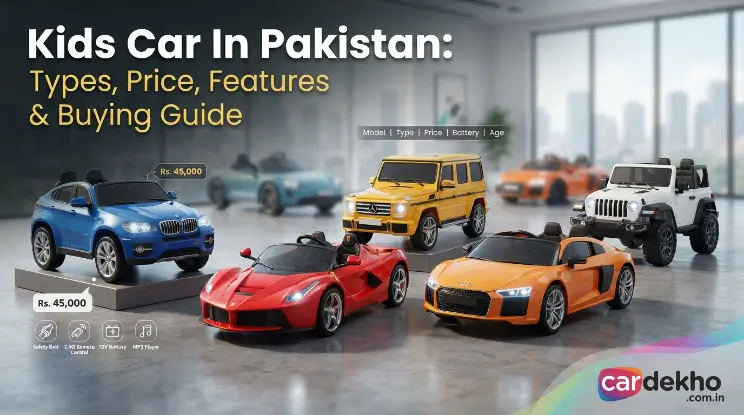
The kids car price in Pakistan can vary widely depending on the model, battery voltage, motor power, size, build quality, and available features. Simple models are usually more affordable, while larger electric ride-on cars may cost more because they offer stronger motors, bigger batteries, better wheels, or extra functions. Prices can also differ between sellers and change over time. Instead of choosing a kids car only because it has a low price, parents should compare its overall specifications. Battery quality, weight capacity, safety features, warranty, charging system, and availability of replacement parts can all affect the long-term value of the vehicle.
Basic Kids Cars
Basic kids car models generally have a simple design, smaller size, and fewer features. They can be suitable for younger children or families looking for an affordable vehicle for occasional play. Some may include basic forward and reverse controls without many additional functions.
Even with an entry-level model, parents should check the battery, motor power, weight limit, and safety features. A lower price should not mean compromising on essential requirements such as suitable size and reliable controls.
Mid-Range Kids Cars
Mid-range models usually offer a wider selection of features while keeping the design practical. They may include parental remote control, LED lights, music, stronger motors, and improved seating or body construction.
These kids car models can be a practical choice for children who will use the vehicle more frequently. Before buying, compare battery performance, charging time, speed, and build quality to make sure the extra features provide useful value.
Premium Kids Cars
Premium kids car models often have larger bodies, stronger motors, better tires, two-seat designs, and more realistic styling. Some may also include advanced lighting, improved suspension, and additional controls for a more detailed ride-on experience.
However, a higher price does not automatically mean the car is the right choice for every child. Parents should still consider age, weight, speed, safety, battery performance, and the riding surface before selecting a premium model.
How to Choose the Right Kids Car
Choosing the right kids car starts with your child’s age, weight, and experience level. Parents should also consider the car’s power, speed, battery, size, and where it will be driven. A suitable model should be easy for the child to use and comfortable for their size.
Choose According to Age and Weight
Always follow the manufacturer’s recommended age range and maximum weight limit. A car that is too large, heavy, or powerful can be harder for a younger child to control properly. The seating position should also allow the child to reach the controls comfortably.
Choosing a kids car based on the child’s size can improve comfort and control during use. For growing children, check whether the seat and weight capacity provide enough room for continued use without exceeding the manufacturer’s limits.
6V vs 12V vs 24V Kids Car
Voltage indicates the electrical power level of a kids car, but it should not be the only factor in your decision. Higher voltage can provide more power, but the right option still depends on the child’s age, weight, speed requirements, and riding area.
| Voltage | General Use | Main Benefit |
| 6V | Younger children and gentle use | Lower power |
| 12V | General ride-on use | Balanced performance |
| 24V | Larger children and suitable outdoor use | Higher power |
Always check the manufacturer’s specifications for recommended age, weight, maximum speed, battery, and suitable terrain before choosing a voltage.
Check the Weight Capacity
Weight capacity is an important factor when selecting a ride-on car. Compare your child’s current weight with the manufacturer’s maximum limit to ensure the vehicle can operate as intended. Staying within this limit can also help maintain proper performance and stability.
For a two-seater kids car, check the combined weight limit if two children will ride together. Do not assume that two seats automatically mean the vehicle can safely carry any two children.
Consider Indoor or Outdoor Use
Think about where the kids car will be used most often. Smooth indoor floors and paved driveways usually require less traction and power, while outdoor areas may need suitable tires, ground clearance, and stronger performance.
For outdoor use, check the tire design, ground clearance, motor power, and manufacturer’s recommended terrain. Avoid assuming that a rugged-looking electric jeep is suitable for every uneven or sloped surface.
Important Features of a Kids Car
The right features can make a kids car more comfortable, practical, and easier to control. Parents should first focus on important factors such as safety, suitable speed, battery performance, and build quality. Extra entertainment features can be considered after these basic requirements are met.
Parental Remote Control
A parental remote control allows an adult to guide the vehicle when the child needs help. It can be especially useful for younger children who are still learning how to steer, stop, and control their kids car.
A good remote should offer simple controls for steering, forward, reverse, and stopping. Check its operating range and make sure it works reliably before allowing the child to use the vehicle independently.
Seat Belt and Speed Control
A seat belt helps keep the child properly positioned inside the kids car while it is moving. Speed control can also make the vehicle easier to manage by allowing parents to select a suitable speed for the child’s age and experience.
These features should always be used according to the manufacturer’s instructions. Parents should also choose a safe riding area and supervise children during use.
Battery and Charging System
The battery provides power to the electric motor and affects how long the kids car can operate between charges. Before buying, check the battery type, capacity, charging time, and expected running time provided by the manufacturer.
Use only the recommended charger and follow the correct charging procedure. Proper charging and storage can help maintain battery performance and reduce unnecessary battery problems.
Wheels and Suspension
Good-quality wheels can provide better stability and traction on suitable riding surfaces. Some kids’ electric cars also include suspension systems that can help provide a smoother ride when used on appropriate outdoor surfaces.
Check the tire material, wheel size, ground clearance, and suspension design before buying. Make sure these components are suitable for the surface where the kids car will normally be used.
Lights, Music and Other Features
Many kids car models include features such as LED lights, music, horns, USB connections, and realistic dashboards. These additions can make playtime more enjoyable and give the vehicle a more realistic appearance.
However, entertainment features should not be the main reason for choosing a model. Parents should first check the size, speed, battery, safety features, and quality of the controls before considering optional extras.
Kids Car Safety Tips
Safety should always be a priority when using a kids car. Children should ride only in suitable, controlled areas and under proper adult supervision. Parents should also choose a model that matches the child’s age, weight, and ability to operate the vehicle.
Follow Age and Weight Limits
Always follow the manufacturer’s recommended age range and maximum weight limit. These specifications help ensure that the kids car is suitable for the child’s size and can operate as intended.
Avoid allowing children to use a vehicle that is too large or powerful for them. Check the specifications again if the car will be shared by more than one child.
Always Use Parental Supervision
Young children should always be supervised while using a battery-operated car. An adult should stay nearby and be ready to take control if the child has difficulty steering, stopping, or avoiding an obstacle.
A parental remote control can provide additional assistance on compatible models. However, it should support supervision rather than replace an adult’s attention.
Choose a Safe Riding Area
Use the kids car away from public roads, traffic, stairs, and other dangerous areas. A flat, open space with enough room to turn and stop is generally more suitable for children’s ride-on vehicles.
Avoid steep slopes, deep water, busy driveways, and areas with heavy vehicle movement. Make sure the riding surface matches the manufacturer’s recommendations for the vehicle.
Check the Car Before Use
Before each ride, inspect the wheels, steering, seat, battery connection, pedals, and visible screws or moving parts. Make sure the controls respond properly and that there are no obvious signs of damage.
If any part is loose, broken, or not working correctly, stop using the kids car until the issue has been properly repaired. Regular checks can help prevent avoidable problems during use.
Kids Car Battery and Maintenance
Proper battery care and regular maintenance can help keep a kids car safe, reliable, and ready to use. Simple checks can also help prevent avoidable problems and extend the life of the vehicle.
How to Maintain the Battery
Follow the manufacturer’s charging instructions and always use the recommended charger. Keep the battery and charger away from excessive heat, water, and other unsuitable conditions.
If the battery becomes damaged, swollen, leaks, or shows unusual performance, stop using it and have it checked or replaced properly. Avoid using damaged charging equipment.
Cleaning and Storage
Clean the body, seats, and wheels regularly to remove dust and dirt. Use only suitable cleaning methods and keep water away from the battery, motor, charger, and other electrical parts.
Store the ride-on vehicle in a dry, covered place when not in use. Protecting it from moisture, direct sunlight, and extreme temperatures can help maintain its condition.
Checking Wheels and Moving Parts
Regularly inspect the wheels, steering system, pedals, and other moving parts for loose or damaged components. Tighten parts only when recommended by the manufacturer.
Regular checks can help find small issues before they become bigger problems. If an important part is damaged or not working correctly, stop using the kids car until it has been properly repaired.
Common Kids Car Buying Mistakes
Parents can avoid several common mistakes when choosing a kids car:
- Choosing a model only because of its appearance
- Ignoring the child’s weight
- Selecting unsuitable voltage or speed
- Not checking safety features
- Ignoring replacement parts
- Not checking the warranty
- Focusing too much on lights and entertainment features
The best approach is to compare the complete specifications and choose a model that matches the child’s needs and intended use.
Kids Car Buying Checklist
Before buying a kids car, check these points:
- Child’s age
- Child’s weight
- Recommended voltage
- Maximum speed
- Battery type
- Charging system
- Remote control
- Seat belt
- Tire type
- Weight capacity
- Indoor or outdoor suitability
- Warranty
- Availability of spare parts
A simple checklist can help you compare different electric ride-on cars without being distracted by unnecessary features.
Frequently Asked Questions About Kids Cars
What age is suitable for a kids car?
The suitable age depends on the specific model. Always check the manufacturer’s recommended age range and weight limit before buying.
Is a 12V or 24V kids car better?
Neither is automatically better for every child. A 12V model may provide balanced performance, while a 24V model can offer more power. Choose according to the child’s age, weight, and intended use.
How much does a kids car cost in Pakistan?
The kids car price in Pakistan varies by model, battery, motor, size, and features. Compare specifications and warranty terms rather than relying only on the listed price.
Are kids electric cars safe?
They can be used safely when the correct model is selected and operated in a suitable area with adult supervision. Follow the manufacturer’s age, weight, speed, and safety instructions.
Is a remote control important for a kids car?
A remote can be useful, especially for younger children. It allows a parent to help control the vehicle when the child needs assistance.
Conclusion
Choosing the right kids car is mainly about finding a suitable balance between size, power, safety, and features. Parents should check the child’s age, weight, battery, voltage, speed, and intended riding area before making a purchase. A remote control, seat belt, and reliable controls can also be useful features.
The kids car should be comfortable and appropriate for the child rather than selected only for its appearance. Compare the specifications, warranty, battery system, and available spare parts before buying. With the right electric ride-on car and proper supervision, children can enjoy a fun and controlled riding experience.
