


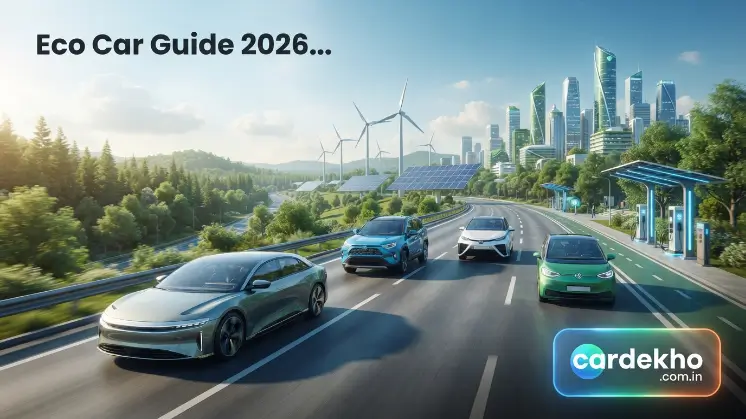
Welcome to CarDekho. Choosing an eco car is one of the smartest ways to reduce fuel costs, lower emissions, and support a cleaner environment. Modern eco cars combine efficiency, advanced technology, and reliable performance, making them suitable for daily commuting, family travel, and long-distance driving. With growing demand for eco-friendly cars, low-emission vehicles, and green vehicles, manufacturers now offer a wide range of options for different budgets and lifestyles.
Eco car, including its types, benefits, costs, maintenance, and buying tips. You’ll also learn how hybrid cars, electric vehicles (EVs), plug-in hybrids, and fuel-efficient cars compare, helping you choose the best vehicle for your needs while saving money and reducing your environmental impact.
What Is an Eco Car?
An eco car is a vehicle designed to reduce fuel consumption, lower harmful emissions, and improve energy efficiency. Unlike traditional gasoline or diesel vehicles, eco cars use advanced technologies such as hybrid systems, electric motors, or highly efficient engines to minimize their environmental impact. As demand for sustainable transportation grows, eco cars have become a practical choice for drivers seeking lower running costs and a cleaner way to travel.
Definition of an Eco Car
An eco car is a vehicle built to reduce its impact on the environment by using less fuel and producing fewer emissions. It includes hybrid cars, electric vehicles (EVs), plug-in hybrids, hydrogen fuel cell vehicles, and fuel-efficient gasoline models. These vehicles are designed to improve efficiency without compromising comfort, safety, or performance.
Unlike conventional cars, an eco car incorporates technologies that support eco-friendly cars and low-emission vehicles. Features such as regenerative braking, lightweight materials, and advanced battery systems help reduce energy consumption while delivering a smooth and reliable driving experience.
How Eco Cars Reduce Environmental Impact
An eco car helps protect the environment by lowering carbon emissions and reducing dependence on fossil fuels. Hybrid and electric powertrains consume less energy than traditional engines, while electric vehicles produce zero tailpipe emissions. This contributes to cleaner air and supports global efforts to reduce pollution.
Many eco cars also improve efficiency through energy-saving technologies like regenerative braking, automatic start-stop systems, and aerodynamic designs. These innovations make every green vehicle more efficient and promote sustainable transportation by reducing fuel consumption and greenhouse gas emissions over the vehicle’s lifetime.
Types of Eco Cars
Choosing the right eco car starts with understanding the different types available. Each category offers unique advantages in efficiency, performance, and ownership costs. Whether you prioritize lower fuel expenses, zero emissions, or long driving range, there is an eco car designed to meet your needs. Understanding these options makes it easier to select a vehicle that fits your lifestyle and budget.
Hybrid Cars
Hybrid cars combine a gasoline engine with an electric motor to improve efficiency and reduce fuel consumption. The battery charges automatically through regenerative braking and the engine, so external charging is not required. This makes a hybrid vehicle a convenient option for drivers transitioning from traditional cars.
An eco car with hybrid technology delivers excellent fuel economy, especially in city driving where the electric motor is used more frequently. Hybrid cars also produce fewer emissions and typically require less fuel than conventional gasoline vehicles.
Plug-in Hybrid Cars (PHEVs)
Plug-in Hybrid Electric Vehicles (PHEVs) combine a gasoline engine with a larger rechargeable battery. Unlike standard hybrids, a plug-in hybrid can travel a considerable distance using electricity alone before switching to gasoline power, reducing fuel consumption for daily trips.
An eco car with plug-in hybrid technology is ideal for drivers who have access to charging but also need the flexibility of a gasoline engine for longer journeys. This combination offers lower emissions, improved efficiency, and extended driving range.
Electric Cars (EVs)
Electric Cars (EVs) operate entirely on electricity stored in rechargeable batteries and produce zero tailpipe emissions. An electric vehicle delivers quiet operation, instant acceleration, and significantly lower operating costs than many conventional vehicles.
Choosing an eco car that runs solely on electricity helps reduce dependence on fossil fuels while supporting cleaner transportation. As charging networks expand and battery technology improves, electric vehicles continue to become more practical for everyday use.
Hydrogen Fuel Cell Vehicles
Hydrogen Fuel Cell Vehicles generate electricity by combining hydrogen with oxygen inside a fuel cell, producing only water vapor as a byproduct. A hydrogen car offers zero tailpipe emissions while providing driving ranges comparable to many gasoline-powered vehicles.
An eco car powered by hydrogen can be refueled in just a few minutes, making it suitable for long-distance travel. However, the availability of hydrogen refueling stations is still limited in many regions, which can affect accessibility.
Fuel-Efficient Gasoline Cars
Fuel-efficient gasoline cars use advanced engine technology, lightweight materials, and aerodynamic designs to reduce fuel consumption while maintaining familiar driving characteristics. Although they still use gasoline, they consume significantly less fuel than older models.
An eco car in this category is a practical choice for buyers seeking better fuel economy without switching to hybrid or electric technology. These vehicles are widely available, affordable, and offer lower emissions than conventional gasoline cars while requiring no changes to existing fueling habits.
Read Also: safari car
Benefits of Owning an Eco Car
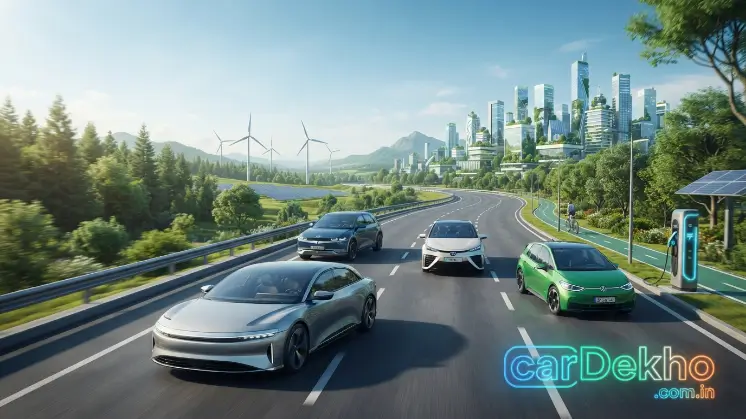
Owning an eco car offers more than just environmental benefits. It helps reduce fuel expenses, lowers maintenance costs, and provides a quieter, more comfortable driving experience. Modern eco cars are equipped with advanced technology, improved safety features, and energy-efficient systems that make everyday driving both economical and convenient. Whether you choose a hybrid, plug-in hybrid, or fully electric model, an eco car can deliver long-term savings while supporting sustainable transportation and reducing your carbon footprint.
Lower Fuel Costs
One of the biggest advantages of an eco car is its ability to reduce fuel expenses. Hybrid vehicles combine a gasoline engine with an electric motor, while electric vehicles run entirely on electricity. Both options consume less fuel than conventional cars, helping drivers save money over time. Frequent commuters and families with daily travel needs can especially benefit from these savings.
Modern eco cars also include advanced technologies that improve fuel economy. Features such as regenerative braking, automatic start-stop systems, lightweight construction, and aerodynamic designs reduce energy consumption and maximize efficiency. As a result, drivers spend less on fuel while enjoying reliable performance.
Ways Eco Cars Save Fuel
- Regenerative braking recovers energy during braking.
- Electric motors reduce engine workload.
- Automatic start-stop systems minimize fuel waste.
- Lightweight construction improves efficiency.
- Aerodynamic designs reduce energy consumption.
Reduced Carbon Emissions
An eco car helps reduce harmful emissions that contribute to air pollution and climate change. Traditional gasoline and diesel vehicles release carbon dioxide (CO₂), nitrogen oxides, and other pollutants into the atmosphere. In contrast, eco-friendly vehicles are designed to produce significantly fewer emissions, making them a cleaner transportation option.
Battery electric vehicles generate zero tailpipe emissions, while hybrid and plug-in hybrid models use less fuel and emit lower levels of CO₂. Choosing an eco car supports green vehicles and promotes low-emission vehicles, helping create cleaner cities and a healthier environment for future generations.
Environmental Benefits
- Lower greenhouse gas emissions.
- Reduced dependence on fossil fuels.
- Improved urban air quality.
- Less noise pollution.
- Support for renewable energy adoption.
Lower Maintenance Costs
Another major benefit of an eco car is lower maintenance requirements. Electric vehicles have fewer mechanical parts than traditional gasoline cars, eliminating the need for regular oil changes and reducing wear on engine components. This results in lower servicing costs and fewer unexpected repairs.
Hybrid vehicles also require less brake maintenance because regenerative braking slows the vehicle while recharging the battery. Although battery replacement can be expensive, most modern batteries are designed to last many years and are backed by long manufacturer warranties, making ownership more cost-effective.
Typical Maintenance Savings
- Less engine maintenance.
- Reduced brake wear.
- Fewer transmission repairs.
- No exhaust system maintenance for EVs.
- Lower routine servicing costs.
Government Incentives
Many governments encourage the adoption of an eco car by offering financial incentives to buyers. These programs help reduce the initial purchase cost and make eco-friendly vehicles more affordable. Depending on your location, you may qualify for tax credits, rebates, reduced registration fees, or other financial benefits.
Some regions also offer practical advantages such as free parking, access to HOV lanes, reduced road taxes, and incentives for installing home charging stations. Before purchasing an eco car, it’s worth checking the incentives available in your country or state to maximize your savings.
Common Incentives
- Tax credits or rebates.
- Reduced registration fees.
- Free or discounted parking.
- Access to HOV lanes.
- Home charging installation support.
Better Driving Experience
Driving an eco car is often smoother and quieter than driving a traditional gasoline vehicle. Electric motors deliver instant torque, providing quick acceleration and responsive performance without engine noise. This creates a comfortable and enjoyable driving experience, especially in city traffic.
Modern eco cars also include advanced technology that improves convenience and safety. Features such as adaptive cruise control, lane-keeping assistance, touchscreen infotainment systems, smartphone connectivity, and intelligent energy management displays make driving easier while enhancing overall comfort and efficiency.
Key Features
- Quiet and smooth driving.
- Instant acceleration.
- Advanced safety technologies.
- Modern infotainment systems.
- Improved driving comfort and efficiency.
Eco Car vs Traditional Car
Choosing between an eco car and a traditional car depends on your budget, driving habits, and long-term priorities. While traditional vehicles usually have a lower purchase price, eco cars offer better fuel economy, lower maintenance costs, reduced emissions, and advanced technology. Comparing both options helps you understand which vehicle provides the best value, performance, and environmental benefits for your lifestyle.
Compression Table
| Feature | Eco Car | Traditional Car |
| Definition | Uses advanced technology to reduce fuel consumption and emissions. | Relies entirely on a gasoline or diesel engine. |
| Engine Type | Electric, hybrid, plug-in hybrid, hydrogen fuel cell, or fuel-efficient engine. | Internal combustion engine (gasoline or diesel). |
| Fuel Source | Electricity, gasoline + electric, hydrogen, or efficient gasoline engine. | Gasoline or diesel only. |
| Purchase Price | Usually higher upfront cost. | Usually lower upfront cost. |
| Fuel Economy | Excellent fuel economy with lower energy consumption. | Lower fuel efficiency and higher fuel consumption. |
| Running Costs | Lower fuel and maintenance expenses. | Higher fuel and maintenance expenses. |
| Maintenance | Fewer moving parts and reduced servicing needs. | Requires regular oil changes, engine servicing, and repairs. |
| Battery Requirement | Yes (Hybrid, PHEV, EV) with long warranty coverage. | No high-voltage battery required. |
| Charging Requirement | EVs and PHEVs require charging; hybrids charge automatically. | No charging required; refuels at fuel stations. |
| Driving Experience | Quiet, smooth, and quick acceleration with modern technology. | Familiar engine performance with more engine noise. |
| Tailpipe Emissions | Low or zero emissions depending on the model. | Higher CO₂ and pollutant emissions. |
| Environmental Impact | Supports green vehicles and sustainable transportation. | Greater environmental impact due to fossil fuel use. |
| Government Incentives | May qualify for tax credits, rebates, and reduced registration fees. | Generally no environmental incentives. |
| Technology Features | Advanced safety systems, regenerative braking, and smart energy management. | Standard technology depending on the model. |
| Long-Term Ownership Cost | Lower due to reduced fuel and maintenance costs. | Higher because of fuel consumption and regular servicing. |
| Best For | Drivers seeking efficiency, lower emissions, and long-term savings. | Drivers who prefer a lower purchase price and traditional fueling. |
Best Eco Cars to Consider
Choosing the best eco car depends on your budget, driving needs, and lifestyle. Some models focus on maximum fuel economy, while others prioritize electric range, family comfort, or luxury features. Whether you’re looking for an affordable commuter car or a premium electric vehicle, today’s market offers plenty of eco-friendly options.
Best Hybrid Eco Cars
Hybrid cars are ideal for drivers who want excellent fuel efficiency without relying on charging stations. By combining a gasoline engine with an electric motor, a hybrid vehicle delivers lower fuel consumption and reduced emissions while maintaining the convenience of traditional refueling.
Popular hybrid models include the Toyota Prius, Toyota Corolla Hybrid, Honda Accord Hybrid, Hyundai Elantra Hybrid, and Kia Niro Hybrid. These vehicles are known for their reliability, low running costs, advanced safety features, and comfortable everyday driving experience.
Best Electric Eco Cars
Electric vehicles are an excellent choice for drivers seeking zero tailpipe emissions and lower operating costs. A modern electric vehicle offers instant acceleration, quiet performance, and advanced technology, making it suitable for both city commuting and long-distance travel.
Some of the best electric eco cars include the Tesla Model 3, Hyundai Ioniq 5, Kia EV6, Nissan Leaf, and Chevrolet Equinox EV. These models provide impressive driving range, fast-charging capabilities, and modern features that enhance convenience and efficiency.
Best Budget Eco Cars
Budget-friendly eco cars allow drivers to enjoy better fuel efficiency without spending a premium. Many affordable models offer excellent reliability, lower maintenance costs, and impressive fuel economy, making them ideal for first-time buyers and daily commuters.
Popular budget options include the Toyota Corolla Hybrid, Nissan Leaf, Hyundai Kona Electric, Honda Civic Hybrid, and Kia Niro Hybrid. These vehicles provide a strong balance of affordability, efficiency, safety, and long-term value.
Best Family Eco Cars
Family-friendly eco cars offer spacious interiors, advanced safety systems, and practical cargo capacity while maintaining excellent efficiency. They are designed to provide comfortable travel for families without compromising on performance or environmental responsibility.
Leading family eco cars include the Toyota Highlander Hybrid, Honda CR-V Hybrid, Hyundai Santa Fe Hybrid, Kia EV9, and Volvo EX90. These models feature generous passenger space, modern technology, and high safety ratings, making them ideal for everyday family use and long trips.
Best Luxury Eco Cars
Luxury eco cars combine premium comfort, high performance, and innovative technology with environmentally friendly engineering. These vehicles deliver refined interiors, powerful acceleration, and advanced driver-assistance features while reducing emissions.
Top luxury choices include the BMW i5, Mercedes-Benz EQE, Audi Q8 e-tron, Porsche Taycan, and Lucid Air. These premium electric vehicles offer exceptional driving dynamics, long driving ranges, high-quality materials, and cutting-edge technology for a first-class ownership experience.
How to Choose the Right Eco Car
Choosing the right eco car requires evaluating your daily driving habits, budget, charging options, and long-term ownership costs. The ideal vehicle should match your lifestyle while offering excellent efficiency, reliability, and value. By considering key factors before buying, you can choose an eco car that delivers the best balance of performance, comfort, and sustainable transportation.
Daily Driving Needs
Start by assessing how you use your vehicle every day. If your daily commute is short, a fully electric eco car may be the best option because it offers low running costs and zero tailpipe emissions. For longer trips or mixed driving, a hybrid or plug-in hybrid provides greater flexibility.
Consider your average driving distance, road conditions, passenger requirements, and cargo space before making a decision. Matching the vehicle to your routine ensures better fuel economy, convenience, and overall satisfaction.
Charging Availability
Charging access is an important consideration when buying an electric or plug-in hybrid eco car. Home charging is the most convenient option, allowing you to recharge overnight and begin each day with a full battery.
If home charging is unavailable, check the availability of public charging stations near your home, workplace, and regular travel routes. Reliable charging infrastructure makes owning an electric vehicle easier and reduces range-related concerns.
Budget Planning
Before purchasing an eco car, calculate both the initial purchase price and the long-term ownership costs. Although many eco cars cost more upfront, they often save money through lower fuel and maintenance expenses.
Your budget should also include insurance, registration, charging equipment, servicing, and potential government incentives. Looking at the total cost of ownership helps you choose a vehicle that provides the best long-term value.
Driving Range
Driving range is especially important when choosing an electric eco car. Select a vehicle that comfortably exceeds your average daily travel distance to avoid frequent charging and improve convenience.
Keep in mind that weather conditions, driving speed, road terrain, and air conditioning use can affect the actual range. Choosing a model with sufficient battery capacity ensures reliable performance for everyday driving and longer journeys.
Warranty
A comprehensive warranty protects your investment and provides peace of mind throughout ownership. Most manufacturers offer extended coverage for batteries and electric powertrain components, making an eco car a dependable long-term choice.
Compare warranty length, mileage limits, battery coverage, and roadside assistance before making your purchase. A strong warranty can significantly reduce unexpected repair costs and increase confidence in your investment.
Safety Features
Safety should always be a priority when selecting an eco car. Modern eco cars are equipped with advanced driver-assistance technologies that help prevent accidents and improve driver confidence on the road.
Look for features such as automatic emergency braking, adaptive cruise control, lane-keeping assist, blind-spot monitoring, rear cross-traffic alert, and multiple airbags. Choosing a vehicle with advanced safety systems and high crash-test ratings ensures greater protection for you and your passengers while supporting green vehicles.
Common Mistakes When Buying an Eco Car
Buying an eco car is a smart investment, but choosing the wrong model or ignoring important factors can lead to higher costs and inconvenience. Many buyers focus only on fuel savings or purchase price and overlook key aspects such as charging access, battery protection, and long-term expenses. Understanding common mistakes helps you make a better decision and enjoy the benefits of green vehicles.
Ignoring Charging Infrastructure
One common mistake when buying an eco car, especially an electric vehicle, is ignoring charging availability. Many buyers purchase an EV without checking whether they have convenient access to home, workplace, or public charging stations.
Before choosing an electric eco car, research charging options in your area and consider your daily travel routes. Proper charging access ensures better convenience, reduces range anxiety, and improves the overall ownership experience of an electric vehicle.
Buying Based Only on Price
Focusing only on the purchase price can be a costly mistake when selecting an eco car. A cheaper model may have limited range, fewer features, or higher long-term expenses compared to a slightly more expensive vehicle.
Instead of comparing only upfront costs, consider fuel savings, maintenance expenses, warranty coverage, and resale value. Evaluating the complete ownership cost helps you choose an eco car that provides better value over time.
Overlooking Battery Warranty
The battery is one of the most important components of an electric or hybrid eco car. Ignoring battery warranty details can create unexpected expenses if performance decreases or repairs are needed in the future.
Before purchasing, check the battery warranty period, mileage coverage, replacement terms, and manufacturer support. A strong battery warranty provides confidence and protects your investment in modern low-emission vehicles.
Not Comparing Running Costs
Many buyers compare vehicle prices but forget to calculate long-term running costs. Fuel, electricity, maintenance, insurance, charging equipment, and repairs all affect the total cost of owning an eco car.
Comparing these expenses with traditional vehicles gives a clearer picture of potential savings. A vehicle with a higher initial price may become more affordable over time due to better efficiency, lower maintenance, and improved fuel economy.
Eco Car Maintenance Tips
Proper maintenance keeps an eco car efficient, reliable, and cost-effective for years. Regular battery checks, tire care, smart driving habits, and software updates help improve performance, extend vehicle life, and maintain better fuel economy. Following simple maintenance steps also reduces repair costs and supports cleaner, more sustainable driving.
Car Maintenance Tips
- Maintain Battery Health – Keep the battery charged properly and avoid frequent full drains to improve lifespan and performance.
- Use Recommended Chargers – Use manufacturer-approved charging equipment to ensure safe charging and protect battery efficiency.
- Check Tire Pressure Regularly – Proper tire pressure improves safety, driving comfort, and overall energy efficiency.
- Rotate Tires on Time – Regular tire rotation ensures even wear and extends tire life.
- Practice Smooth Driving – Gentle acceleration and braking help improve range and reduce unnecessary energy consumption.
- Use Regenerative Braking – Utilize regenerative braking systems to recover energy and improve vehicle efficiency.
- Avoid Excess Vehicle Weight – Removing unnecessary items helps reduce energy usage and improves driving efficiency.
- Install Software Updates – Regular updates improve battery management, safety features, and vehicle performance.
- Follow Service Schedules – Regular inspections help identify problems early and maintain reliable operation.
- Monitor Vehicle Performance – Check range, battery condition, and warning signals to prevent costly repairs.
Frequently Asked Questions
What is an eco car?
An eco car is a fuel-efficient vehicle designed to reduce emissions, save energy, and support environmentally friendly transportation.
Are eco cars worth buying?
Yes, eco cars offer lower fuel costs, reduced maintenance expenses, and better efficiency, making them valuable long-term investments.
Which eco car is best for beginners?
Hybrid cars are ideal for beginners because they offer excellent efficiency without requiring charging infrastructure or major driving changes.
Do eco cars save money?
Yes, eco cars reduce fuel and maintenance costs, helping owners save money throughout the vehicle’s ownership period.
How long do eco car batteries last?
Most eco car batteries last 8–15 years, depending on usage, maintenance, charging habits, and manufacturer warranty coverage.
Conclusion
Choosing an eco car is a practical decision for drivers who want lower fuel expenses, reduced emissions, and advanced vehicle technology. With options like hybrid cars, electric vehicles, and plug-in hybrids, buyers can find a model that matches their driving needs, budget, and lifestyle. These vehicles offer benefits such as better efficiency, lower maintenance costs, and a more comfortable driving experience.
As the demand for sustainable transportation continues to increase, eco cars are becoming an important part of the future automotive industry. By considering factors like charging availability, battery warranty, running costs, and performance, you can choose the right eco car that provides long-term value while supporting a cleaner environment.
