


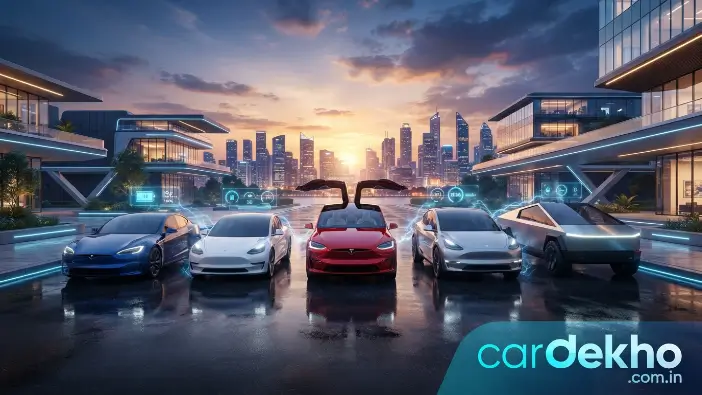
Welcome to CarDekho. A Tesla car has transformed the automotive industry by making electric vehicles practical, high-performing, and technology-driven. Unlike traditional gasoline cars, every Tesla car uses advanced lithium-ion batteries to deliver instant acceleration, long driving range, low maintenance, and zero tailpipe emissions. Regular software updates, a modern design, and access to the Tesla Supercharger network further enhance the ownership experience, making Tesla one of the leading brands in the electric car market.
Whether you’re researching your first Tesla car or comparing different models, understanding features, pricing, battery life, charging options, Autopilot, safety, and ownership costs is essential. This guide explains Tesla’s vehicle lineup, performance, advantages, and buying considerations in a clear and practical way, helping you choose the right Tesla car for your needs and budget.
What Is a Tesla Car?
A Tesla car is a modern electric vehicle designed to run entirely on electricity instead of gasoline or diesel. Powered by advanced battery technology, Tesla vehicles offer fast acceleration, long driving range, low maintenance, and zero tailpipe emissions. Their combination of innovative software, smart features, and energy efficiency has made Tesla a global leader in sustainable transportation.
History of Tesla
Tesla was founded in 2003 with the vision of accelerating the world’s transition to sustainable transportation. The company introduced its first production model, the Roadster, in 2008, proving that an EV could deliver both impressive performance and practical driving range. This breakthrough challenged the belief that electric cars were slow or limited.
Today, Tesla car models are among the world’s most popular electric vehicles. Under the leadership of Elon Musk, Tesla expanded its lineup with the Model S, Model 3, Model X, Model Y, and Cybertruck, helping make battery-powered cars more accessible to consumers worldwide.
Why Tesla Is Different
A Tesla car stands out because it combines advanced engineering with intelligent software. Features such as over-the-air updates, a minimalist interior, and the extensive Tesla Supercharger network create an ownership experience that continues to improve over time.
Unlike many traditional automakers, Tesla designs its vehicles around electric vehicle technology from the ground up. This approach delivers excellent energy efficiency, rapid acceleration, advanced safety systems, and lower maintenance, making Tesla a leader in the modern EV market.
How Tesla Changed Electric Vehicles
Before Tesla, many people viewed the electric vehicle as a niche product with limited performance and short driving range. Tesla changed this perception by producing cars that matched or exceeded many gasoline vehicles in speed, technology, safety, and everyday usability.
The success of every Tesla car encouraged other manufacturers to invest heavily in battery-powered cars and cleaner mobility solutions. Today, Tesla continues to shape the future of sustainable transportation through innovations in battery technology, software, and electric vehicle infrastructure.
Tesla Car Models Explained
The Tesla car lineup includes sedans, SUVs, and pickup trucks designed to meet different driving needs. Whether you want an affordable daily commuter, a family-friendly SUV, or a high-performance vehicle, Tesla offers a model with advanced technology, long electric range, and modern features. Each model shares Tesla’s focus on innovation while serving a different type of driver.
Tesla Model S
The Tesla Model S is Tesla’s flagship Tesla sedan, offering premium comfort, outstanding performance, and one of the longest driving ranges in the lineup. It is designed for drivers who want luxury, advanced technology, and exceptional acceleration in one package.
A Tesla car like the Model S features a spacious interior, advanced driver-assistance systems, and regular software updates. As a luxury EV, it is ideal for business professionals, long-distance travelers, and buyers seeking top-tier performance.
Tesla Model 3
The Tesla Model 3 is the most popular and affordable compact electric car in Tesla’s lineup. It combines efficiency, safety, and modern technology, making it an excellent choice for everyday driving and first-time EV owners.
For buyers seeking an affordable Tesla car, the Model 3 offers excellent value with a comfortable interior, impressive driving range, and low operating costs. Its balanced performance and practical design have made it one of the world’s best-selling electric vehicles.
Tesla Model X
The Tesla Model X is a premium Tesla SUV designed for families who need extra passenger space and cargo capacity. Its distinctive Falcon Wing doors, spacious cabin, and advanced safety features set it apart from many competitors.
As a Tesla car, the Model X delivers strong acceleration, all-wheel-drive capability, and long-range performance. It is well suited for large families, frequent travelers, and drivers looking for a premium electric SUV.
Tesla Model Y
The Tesla Model Y is a versatile Tesla SUV that offers a balance of practicality, efficiency, and performance. With flexible seating, generous cargo space, and modern technology, it has become one of Tesla’s most popular models.
Choosing the Model Y means getting a Tesla car that works well for daily commuting, family trips, and weekend travel. Its comfortable ride, long range, and advanced safety systems make it an excellent all-around electric vehicle.
Tesla Cybertruck
The Tesla Cybertruck is Tesla’s first Tesla truck, built for durability, utility, and powerful performance. Its stainless-steel exterior, large cargo bed, and impressive towing capability make it stand out from traditional pickup trucks.
This Tesla car is designed for drivers who need both work capability and advanced electric technology. The Cybertruck combines rugged strength with modern features, making it suitable for outdoor adventures, heavy-duty tasks, and long-distance travel.
Upcoming Tesla Roadster
The upcoming Tesla Roadster is expected to become Tesla’s most advanced performance vehicle. Designed as a next-generation luxury EV, it aims to deliver remarkable acceleration, cutting-edge battery technology, and an extended driving range.
Although Tesla has not finalized every specification, this Tesla car is expected to showcase the company’s latest innovations in performance and efficiency. It is likely to attract sports car enthusiasts looking for an electric vehicle with world-class speed and advanced engineering.
Tesla Car Prices
The price of a Tesla car varies by model, battery size, performance, and optional features. While Tesla vehicles generally cost more upfront than many conventional cars, lower fuel and maintenance expenses can reduce long-term ownership costs. Understanding pricing helps buyers choose the model that fits their budget and driving needs.
Price Comparison Table
The table below compares Tesla’s main models based on starting price, estimated driving range, and the type of buyer each model best suits.
| Model | Starting Price* | Range* | Best For |
| Model 3 | From $43,000 | Up to 363 miles | Daily commuting |
| Model Y | From $47,000 | Up to 357 miles | Families |
| Model S | From $85,000 | Up to 410 miles | Luxury buyers |
| Model X | From $90,000 | Up to 335 miles | Large families |
| Cybertruck | From $70,000 | Up to 350 miles | Work and towing |
*Prices and range may vary by country, trim, and available options.
When choosing a Tesla car, compare the purchase price with battery range, features, charging needs, and long-term ownership costs instead of focusing only on the initial price.
Factors Affecting Price
The final price of a Tesla car depends on the selected model, battery option, drivetrain, wheel size, interior upgrades, and optional software features such as Full Self-Driving. Taxes and destination fees can also affect the total cost.
Your location also influences pricing. Import duties, local taxes, exchange rates, and available incentives can increase or reduce the final price of a battery-powered car. Always check the latest pricing before making a purchase.
Government Incentives
Many countries offer incentives to encourage the purchase of an electric vehicle. These may include tax credits, rebates, reduced registration fees, or other financial benefits that lower the effective purchase price.
Before buying a Tesla car, review the incentives available in your region. These programs can make a battery-powered car more affordable and improve the overall value of your investment.
Read Also: gurkha car
Tesla Battery and Driving Range
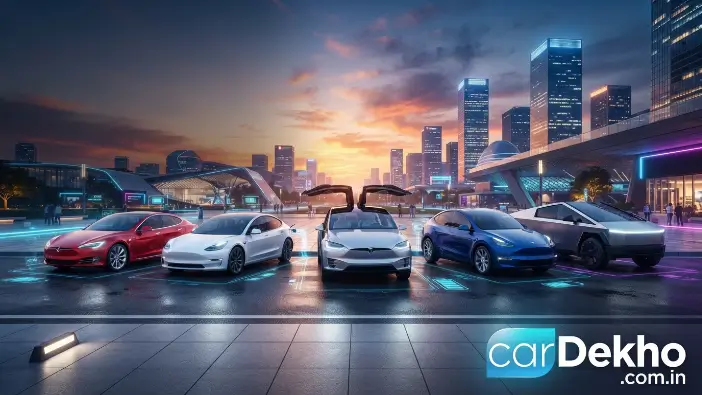
The battery is one of the most important parts of a Tesla car, determining its performance, efficiency, and driving range. Tesla uses advanced battery technology to provide long-distance travel, fast charging, and reliable performance, making its vehicles suitable for both daily commuting and long road trips.
Battery Technology
Every Tesla car uses a high-capacity lithium-ion battery designed for efficiency, durability, and consistent performance. Tesla continuously improves its battery technology to increase range while reducing energy consumption.
The advanced EV battery management system monitors temperature and charging to maximize performance and extend battery life. Regular software updates also help improve efficiency over time.
Real-World Range
The driving range of a Tesla car depends on the model, battery size, weather, road conditions, and driving habits. Gentle acceleration and steady speeds usually deliver better range than aggressive driving.
Most Tesla models provide enough range for daily driving and long journeys. Access to the Supercharger network also makes long-distance travel convenient by reducing charging stops.
Battery Lifespan
A Tesla car battery is built to last for many years with minimal capacity loss. Most owners experience reliable performance even after thousands of miles of driving.
Following recommended charging practices and avoiding frequent full discharges can help extend the life of the lithium-ion battery. Tesla also provides battery warranties for added peace of mind.
Charging Time
Charging time for a Tesla car depends on the charger type and battery size. Home chargers are ideal for overnight charging, while faster public chargers significantly reduce waiting time.
Tesla’s Supercharger stations provide high charging speed, allowing many models to recover a large amount of range in a short time. This makes road trips more convenient and minimizes downtime.
Tesla Charging Explained
Charging a Tesla car is simple and flexible, with options for home charging, Tesla Superchargers, and public charging stations. The best method depends on your driving habits, travel distance, and charging availability.
Home Charging
Home charging is the most convenient way to keep a Tesla car ready for daily use. Most owners charge overnight using a wall connector or a standard power outlet.
A dedicated home charger provides faster charging speed and greater convenience. It is ideal for drivers with regular commuting routines.
Tesla Superchargers
Tesla Superchargers are high-speed charging stations designed for long-distance travel. They can quickly recharge a Tesla car, reducing waiting time during road trips.
The Supercharger network is located along major highways and in many cities, making it easy for Tesla owners to travel long distances with confidence.
Public Charging Networks
A Tesla car can also use many public charging stations through compatible charging connectors. These networks expand charging access beyond Tesla’s own infrastructure.
Public chargers are commonly available at shopping centers, hotels, workplaces, and parking areas. They provide a practical option when home or Supercharger charging is unavailable.
Charging Costs
The cost of charging a Tesla car depends on electricity rates, charger type, and location. Home charging is usually the most affordable option for daily driving.
Supercharger and public charging costs vary by region and provider. Even so, charging an electric vehicle is often less expensive than refueling a gasoline-powered car.
Charging Costs
The cost of charging a Tesla car depends on electricity rates, battery size, charger type, and location. Home charging is usually the most affordable option, while Supercharger and public charging costs vary by region.
| Charging Method | Estimated Cost* | Best For |
| Home Charging | $8–$20 per full charge | Daily charging |
| Tesla Supercharger | $15–$30 per full charge | Long-distance travel |
| Public Charging | $10–$35 per full charge | Occasional charging |
*Estimated costs vary by country, electricity prices, battery size, and charging provider.
Even at higher electricity rates, charging a Tesla car is generally more affordable than fueling a comparable gasoline vehicle, helping reduce long-term running costs.
Tesla Autopilot and Full Self-Driving
A Tesla car includes advanced driver-assistance technology designed to improve convenience and safety. Tesla offers Autopilot as a standard feature on most models, while Full Self-Driving (FSD) is an optional system that adds more automated driving capabilities. Drivers must remain attentive and ready to take control at all times.
How Autopilot Works
Autopilot uses cameras, sensors, and onboard software to help a Tesla car steer, accelerate, and brake within marked lanes. It also adapts speed based on surrounding traffic.
Although Autopilot reduces driver workload, it is not a fully autonomous system. Drivers must keep their hands on the steering wheel and stay focused on the road.
Full Self-Driving Features
Full Self-Driving (FSD) expands the capabilities of a Tesla car with features such as automatic lane changes, traffic light recognition, navigation assistance, and smart parking, where available.
FSD is designed to assist the driver rather than replace them. Feature availability may vary by country because of local regulations and software updates.
Safety Considerations
A Tesla car combines Autopilot with advanced safety systems to help reduce the risk of accidents. Cameras continuously monitor the vehicle’s surroundings and provide warnings when potential hazards are detected.
Despite these technologies, safe driving depends on the driver. Staying alert, following traffic laws, and taking control when necessary are essential for safe operation.
Current Limitations
Although highly advanced, Autopilot and Full Self-Driving cannot handle every driving situation. Poor weather, faded lane markings, road construction, and unexpected obstacles may affect system performance.
Drivers should understand these limitations before relying on a Tesla car‘s driver-assistance features. Responsible use ensures a safer and more reliable driving experience.
Tesla Safety Features
A Tesla car is designed with advanced safety technologies to protect drivers and passengers. Its strong body structure, intelligent driver assistance systems, and advanced battery safety features help reduce accident risks and improve overall vehicle protection.
- Excellent crash test ratings from leading safety organizations.
- Advanced driver assistance for safer everyday driving.
- Strong battery safety with thermal protection systems.
- Automatic emergency braking and collision avoidance features.
- Emergency response tools for faster accident assistance.
Tesla Maintenance and Ownership Costs
Owning a Tesla car generally costs less to maintain than a gasoline vehicle because it has fewer moving parts and no engine oil changes. However, buyers should also consider battery warranty, insurance, repairs, and daily operating costs before making a purchase.
Maintenance Schedule
A Tesla car requires minimal routine maintenance compared to traditional vehicles. Regular tire rotation, brake fluid checks, cabin air filter replacement, and software updates help keep the vehicle in good condition.
Tesla recommends following its maintenance guidelines to improve performance and extend vehicle life. Routine inspections also help identify minor issues before they become costly repairs.
Battery Warranty
Every Tesla car includes a battery warranty that covers defects and excessive battery capacity loss for a specified period or mileage, depending on the model.
The warranty provides peace of mind for owners, as the battery is the most expensive component of an electric vehicle. Coverage details vary by model and region.
Insurance
Insurance premiums for a Tesla car may be higher than those of some conventional vehicles because of advanced technology and repair costs. Rates vary based on location, driving history, and the chosen model.
Comparing quotes from multiple insurers can help reduce costs. Many companies also offer discounts for safe drivers and vehicles equipped with advanced safety features.
Repair Costs
A Tesla car usually needs fewer mechanical repairs because it has no engine, transmission, or exhaust system. However, body repairs and specialized components can be more expensive than those of conventional cars.
Using authorized service centers and genuine parts helps maintain reliability and vehicle value. Repair costs also depend on the extent of the damage and local labor rates.
Running Costs
The daily running cost of a Tesla car is generally lower because electricity is often cheaper than gasoline. Lower maintenance needs further reduce long-term ownership expenses.
Charging at home, following recommended maintenance, and driving efficiently can significantly reduce operating costs, making a Tesla car an economical choice over time.
Tesla Pros and Cons
A Tesla car offers advanced technology, strong performance, and lower running costs, making it one of the most popular electric vehicles. However, like any vehicle, it has both strengths and limitations. Understanding these pros and cons helps buyers make an informed decision.
Advantages
- Zero tailpipe emissions and eco-friendly driving.
- Long driving range on most models.
- Fast charging through the Supercharger network.
- Low maintenance with fewer moving parts.
- Regular over-the-air software updates.
Disadvantages
- Higher purchase price than many gasoline cars.
- Insurance costs may be higher.
- Charging takes longer than refueling.
- Service centers are limited in some regions.
- Cold weather can reduce battery range.
Tesla vs Gasoline Cars
Choosing between a Tesla car and a gasoline car depends on your budget, driving habits, and long-term costs. A Tesla car offers lower running expenses, advanced technology, and zero tailpipe emissions, while gasoline cars provide faster refueling and a wider service network.
| Feature | Tesla Car | Gasoline Car |
| Fuel Cost | Lower electricity cost | Higher fuel cost |
| Maintenance | Fewer moving parts, lower maintenance | Regular oil changes and engine servicing |
| Performance | Instant torque and quick acceleration | Varies by engine type |
| Emissions | Zero tailpipe emissions, environmentally friendly | Produces CO₂ and exhaust emissions |
| Reliability | Fewer mechanical components, regular software updates | Proven technology but more mechanical wear |
Tips Before Buying a Tesla
Before buying a Tesla car, evaluate your budget, charging options, and long-term ownership costs. Proper planning helps you choose the right model and enjoy a better ownership experience.
- Set a realistic budget, including taxes and optional features.
- Confirm you have access to reliable home charging.
- Compare insurance quotes before purchasing.
- Take a test drive to evaluate comfort and performance.
- Check how regular software updates improve vehicle features.
- Review the battery warranty and vehicle coverage.
- If buying used, inspect the battery health, service history, accident records, and remaining warranty.
Frequently Asked Questions
How much does a Tesla car cost?
A Tesla car typically starts around $43,000, while premium models cost over $90,000, depending on features, trim, and location.
How long does a Tesla car battery last?
A Tesla car battery usually lasts 300,000–500,000 miles with proper care and is backed by a manufacturer battery warranty.
Can I charge a Tesla car at home?
Yes, you can charge a Tesla car at home using a standard outlet or a dedicated wall charger for faster charging.
How far can a Tesla car travel on one charge?
Depending on the model, a Tesla car can travel approximately 270–410 miles on a full battery charge.
Is maintaining a Tesla car expensive?
No. A Tesla car requires less maintenance than gasoline vehicles because it has fewer moving parts and no oil changes.
Conclusion
A Tesla car is an excellent choice for drivers seeking advanced technology, strong performance, and lower long-term ownership costs. With impressive driving range, reliable battery life, and access to the Supercharger network, Tesla vehicles provide a practical and enjoyable driving experience for daily commuting and long-distance travel. Their innovative features and regular software updates continue to set them apart in the electric vehicle market.
Before purchasing a Tesla car, compare different models, evaluate your budget, charging options, and driving needs, and review warranty and ownership costs. Taking the time to research these factors will help you choose the right Tesla model and enjoy the full benefits of modern electric driving for years to come.
