

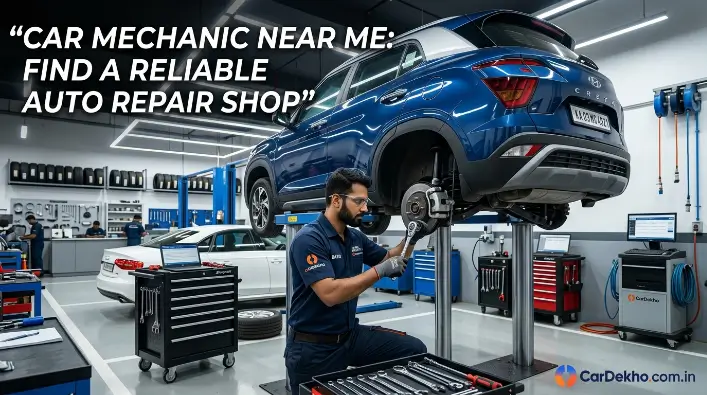
Welcome to CarDekho. Finding a reliable car mechanic near me is important when your vehicle needs regular maintenance, an inspection, or urgent repairs. A professional mechanic can identify problems early, explain what needs to be fixed, and help keep your car safe and reliable. Although finding a mechanic nearby is convenient, you should also consider their experience, reputation, and quality of service before making a decision.
A trustworthy auto repair shop should have skilled technicians, positive customer reviews, proper diagnostic tools, and clear pricing. Whether your car needs an oil change, brake repair, engine diagnostics, battery replacement, or AC service, choosing the right mechanic can help you get quality repairs and avoid unnecessary expenses.
How to Find the Best Car Mechanic Near Me
Finding the right car mechanic near me requires more than simply choosing the workshop that is closest to your location. This section explains how to compare nearby mechanics by checking their location, services, experience, customer reviews, workshop facilities, pricing, and availability. Local map listings, recommendations from friends or family, and customer feedback can help you create a shortlist of reliable options. If your vehicle needs specialized work, such as advanced diagnostics or repairs for a particular make and model, always make sure the mechanic has the necessary experience and equipment before booking a service.
Search Local Auto Repair Shops
Searching local auto repair shops is one of the easiest ways to find a suitable mechanic in your area. Online map listings can show nearby workshops along with their location, opening hours, ratings, reviews, and contact details. You can also search for terms such as local car mechanic, auto repair shop near me, and car service center to compare different options. For routine maintenance, an experienced independent mechanic may be suitable, while vehicles requiring brand-specific diagnostics or warranty-related work may be better handled by an authorized service center.
Before visiting a workshop, contact the mechanic and briefly explain your vehicle’s problem. Ask whether they provide the required service, have experience with your car’s make and model, and can provide an estimated cost. This quick conversation can save time and help you avoid visiting a workshop that does not have the right equipment or expertise for your vehicle.
Check Reviews, Ratings, and Experience
Reviews and ratings can help you understand the quality of a mechanic’s customer service, repair work, communication, and pricing. Instead of relying only on the overall star rating, read several recent reviews and look for repeated comments about repair quality, unexpected charges, delays, or professional service. A workshop with consistent positive feedback can give you more confidence when choosing a mechanic.
Experience is especially important for complex mechanical or electrical problems. A mechanic who regularly works on your vehicle’s make and model may be more familiar with its common issues and maintenance requirements. Consider experience, customer reviews, professional communication, suitable diagnostic equipment, and transparent pricing together rather than choosing a mechanic only because they offer the lowest price.
Read Also: Honda Car Price in Pakistan, Models & Specs 2026
Car Repair and Maintenance Services a Mechanic Offers
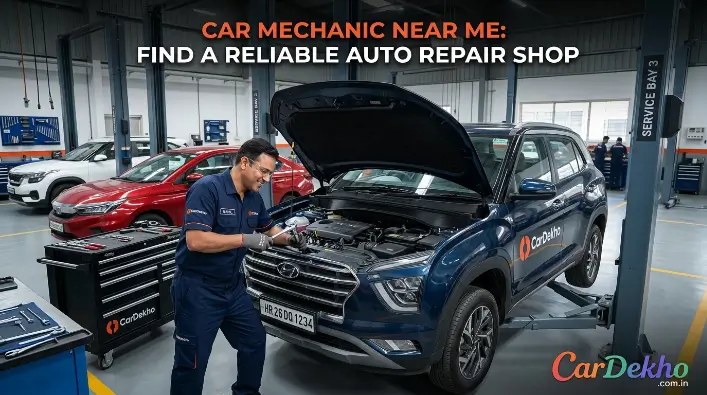
This section explains the main car repair and maintenance services you can expect from a professional mechanic. A reliable car mechanic near me can handle routine maintenance as well as common problems involving the engine, brakes, battery, tires, suspension, steering, and AC system. Regular servicing helps identify worn or faulty components early, which can reduce the risk of bigger and more expensive repairs. Before choosing a workshop, check whether it has the right tools, diagnostic equipment, and experience for your vehicle’s specific needs.
Engine Diagnostics and Repair
Engine problems can appear through different warning signs, such as difficulty starting, unusual noises, poor acceleration, increased fuel consumption, overheating, rough engine performance, or a check engine warning. A professional mechanic can combine diagnostic equipment with a physical inspection to identify the likely cause of the problem. Because different faults can create similar symptoms, proper diagnosis is important before replacing any parts or approving major repairs.
Engine repairs can range from replacing a small damaged component to completing more complicated mechanical work. Before approving an expensive repair, ask the mechanic to explain the cause of the problem, the recommended solution, required parts, labor, and estimated cost. A qualified mechanic should be able to explain the diagnosis clearly and help you understand why the repair is necessary.
Brakes, Battery, Oil Change, and AC Service
Brake inspection is important because worn brake pads, damaged discs, or low brake fluid can affect stopping performance. A mechanic can inspect the complete braking system and recommend the necessary service. Battery testing is also useful if your vehicle has starting problems, weak electrical performance, or signs of a failing battery. Early inspection can help prevent unexpected breakdowns and starting difficulties.
Regular oil changes help maintain proper engine lubrication, while AC servicing can resolve issues such as weak cooling, poor airflow, or unusual smells. Mechanics may also provide tire checks, suspension and steering inspections, filter replacement, and general vehicle servicing. Following the manufacturer’s maintenance schedule and getting problems checked early can help keep your vehicle reliable and reduce avoidable repair expenses.
How Much Does a Car Mechanic Cost?
This section explains why car mechanic costs can vary and what you should check before approving a repair. The final price depends on factors such as your car’s make and model, type of repair, replacement parts, labor charges, diagnostic requirements, and workshop location. A simple oil change or routine service will usually require less work than a major engine or transmission repair, so there is no single price that applies to every vehicle. When comparing a car mechanic near me, ask for a clear estimate that includes the problem, recommended repair, parts, labor, and any additional charges so you can compare different workshops fairly.
Common Car Repair Costs
Common repair expenses include routine servicing, oil changes, brake service, battery replacement, diagnostic inspections, AC repairs, and engine repairs. The actual amount can vary according to the vehicle and parts required. For example, a battery replacement is generally simpler than a major engine repair, while specialized diagnostics may require additional equipment and labor. Before approving the work, ask whether the mechanic will use genuine or aftermarket parts and whether the quoted price includes both parts and labor.
- Routine servicing: Basic vehicle checks and scheduled maintenance.
- Oil change: Replacement of engine oil and required filters.
- Brake service: Inspection, adjustment, or replacement of brake components.
- Battery replacement: Testing and replacing a weak or damaged battery.
- Diagnostic inspection: Finding mechanical or electrical faults.
- AC repair: Checking and repairing the vehicle’s cooling system.
- Engine repair: Fixing engine problems, with costs depending on the fault.
Factors That Affect Mechanic Charges
Several factors can influence the final repair bill, including the car’s make and model, type of repair, parts required, labor time, repair complexity, diagnostic equipment, and workshop location. Vehicles that need specialized tools or brand-specific knowledge may cost more to repair, while complicated problems can require additional inspection and labor. The type and quality of replacement parts can also make a noticeable difference in the final price.
When choosing a car mechanic near me, do not automatically select the lowest quotation. A very cheap estimate may leave out certain parts, labor, or necessary services, or may involve lower-quality components. Ask for a detailed breakdown of the expected cost and compare it with other reputable workshops before approving major repairs.
- Car make and model: Different vehicles require different parts and expertise.
- Type of repair: Basic maintenance and major repairs have different costs.
- Parts required: The number and type of replacement parts affect the price.
- Labor charges: The mechanic’s time and service rate influence the total.
- Genuine vs aftermarket parts: Different part types can have different prices.
- Repair complexity: Difficult problems usually require more time and specialized equipment.
- Workshop location: Local operating costs can affect service charges.
How to Choose a Reliable Auto Repair Shop
This section explains how to select a reliable auto repair shop instead of choosing a workshop simply because it is closest to you. When searching for a car mechanic near me, consider the mechanic’s experience, customer reviews, equipment, communication, pricing, and overall reputation. A professional workshop should properly inspect your vehicle, explain the problem clearly, recommend the necessary repairs, and provide reasonable information about the expected cost and completion time. A clean and organized workshop can be a positive sign, but it should be considered alongside technical experience and customer feedback.
Check Mechanic Qualifications and Workshop Reputation
Before choosing a mechanic, ask about their experience with your vehicle’s make and model and whether they regularly handle the type of repair you need. Some modern cars require specialized diagnostic equipment and technical knowledge, so selecting a mechanic with relevant experience can help ensure a more accurate diagnosis and proper repair.
A workshop’s reputation can also tell you a lot about its service quality. Read recent customer reviews and look for consistent feedback about repair quality, communication, pricing, and professionalism. Recommendations from people you trust can also be useful. If a workshop has repeated complaints about poor workmanship or unexplained charges, consider another car mechanic near me before making your final choice.
Get an Inspection and Written Estimate
Before approving major repairs, ask the mechanic to inspect the vehicle and explain the problem clearly. Understanding the cause of the issue can help you decide whether the repair is urgent and what work actually needs to be completed. You can also ask what could happen if an important repair is delayed.
For expensive work, request a written estimate showing the parts and labor costs separately. Ask whether the parts are genuine, original-equipment, or aftermarket and whether the repair includes any warranty. A detailed estimate makes it easier to compare repair shops, understand the total cost, and avoid unexpected charges after the repair is completed.
Common Car Problems That Need a Mechanic
This section explains the common car problems that should be checked by a professional instead of being ignored. Warning lights, unusual sounds, fluid leaks, overheating, brake problems, starting difficulties, and changes in vehicle performance can indicate an underlying issue. If you notice these signs, contacting a car mechanic near me can help identify the cause and prevent a minor problem from becoming more expensive. Regular inspections are also helpful because they can identify worn components before they affect the vehicle’s reliability.
Warning Signs You Should Not Ignore
Common warning signs include a check engine light, strange engine noises, difficulty starting, weak brakes, overheating, unusual vibrations, fluid leaks, and poor AC cooling. Changes in fuel economy, acceleration, steering, or general vehicle performance can also indicate that your car needs professional attention. Because similar symptoms can have different causes, a mechanic should properly inspect the vehicle instead of relying only on assumptions.
If a warning appears suddenly or the vehicle begins behaving differently, do not ignore it or assume the problem will disappear. A professional mechanic can determine whether the issue is minor or requires immediate repair. Important warning signs include:
- Check engine warning: May indicate an engine or electronic issue.
- Strange noises: Can suggest worn or damaged components.
- Difficulty starting: May involve the battery, starter, or engine.
- Brake problems: Can affect safe stopping.
- Overheating: May indicate a cooling or engine problem.
- Unusual vibrations: Can be related to tires, suspension, or steering.
- Fluid leaks: May indicate a problem with an important vehicle system.
- AC not cooling: May require professional AC inspection.
Common Mistakes Car Owners Make
A common mistake is delaying maintenance until a small issue becomes a major repair. Ignoring warning lights, skipping scheduled servicing, or continuing to drive when the car makes unusual noises can allow problems to become more serious. Regular maintenance and timely inspections can help identify issues earlier and keep the vehicle operating reliably.
Another mistake is choosing a mechanic only because the price is low. When selecting a car mechanic near me, consider workmanship, experience, equipment, parts quality, communication, and customer feedback along with price. Before approving major repairs, understand the cause of the problem, ask which parts will be replaced, and confirm what work the mechanic plans to perform.
- Ignoring dashboard warnings: Have warning lights checked promptly.
- Delaying maintenance: Follow the recommended service schedule.
- Choosing only by low price: Compare quality and experience as well as cost.
- Not asking about parts: Confirm the type and quality of replacement parts.
- Skipping inspections: Regular checks can identify developing problems.
- Driving with serious problems: Get professional assistance when major symptoms appear.
Frequently asked questions
How do I find a reliable car mechanic near me?
Search local auto repair shops and compare their reviews, experience, services, location, and pricing. Recommendations from people you trust can also help. For specialized repairs, choose a mechanic who has experience with your vehicle’s make and model.
How much does a car mechanic usually charge?
Mechanic charges vary according to the vehicle, repair type, labor, diagnostic requirements, and replacement parts. Ask for a detailed estimate before approving major work and compare quotations from reputable workshops when appropriate.
Should I use a dealership or an independent mechanic?
Both can be useful depending on your vehicle and repair needs. Dealerships may be suitable for warranty work, brand-specific diagnostics, or specialized services, while independent mechanics can be convenient for routine maintenance and general repairs. Compare experience, equipment, price, and service quality before deciding.
How often should I take my car to a mechanic?
Follow the maintenance schedule recommended by your vehicle manufacturer. You should also arrange an inspection when you notice warning lights, unusual noises, starting difficulties, fluid leaks, braking problems, or other changes in vehicle performance.
What should I ask a mechanic before approving repairs?
Ask what caused the problem, what repair is required, which parts will be used, how much the parts and labor will cost, how long the repair should take, and whether the work or replacement parts come with a warranty. These questions can help you make a more informed decision.
Conclusion
Finding a reliable car mechanic near me is important for keeping your vehicle safe, reliable, and in good condition. A professional mechanic can handle regular maintenance, diagnose problems, and provide the right repairs when needed. Before choosing a mechanic, compare their experience, customer reviews, services, equipment, and pricing.
Regular servicing and early inspection of warning signs such as unusual noises, dashboard lights, overheating, brake problems, or fluid leaks can help prevent bigger and more expensive repairs. By choosing a trustworthy car mechanic near me, you can maintain your vehicle properly and enjoy safer, more dependable driving.
