

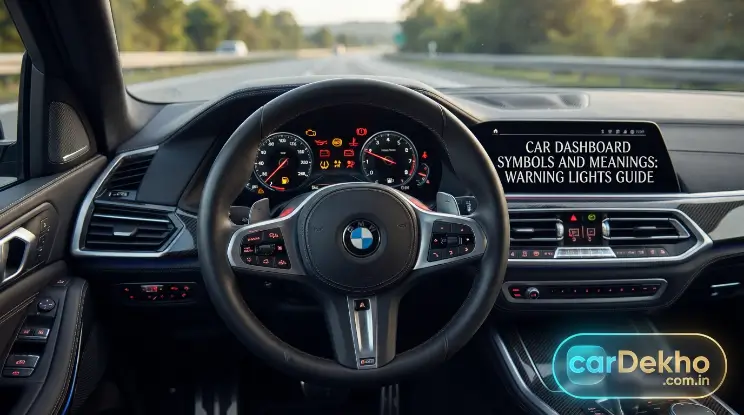
Welcome to CarDekho. Modern cars use many symbols on the dashboard to tell drivers about the vehicle’s condition, active features, and possible problems. Understanding car dashboard symbols and meanings makes it easier to recognize what your car is trying to tell you. These symbols can warn you about issues with the engine, brakes, battery, oil, tyres, or other important systems.
Some dashboard lights are normal indicators that simply show a feature is working, while others can point to a problem that needs attention. Knowing the difference between warning lights, indicator lights, and their colors can help you understand how serious a situation may be. It also helps you decide whether you can continue driving, need to check the vehicle, or should stop safely and get professional help.
What Do Car Dashboard Symbols Mean?
Dashboard symbols are visual signals shown on a car’s instrument panel to communicate the condition of different systems. They can tell you that a feature is active, warn you about a possible problem, or indicate that the vehicle needs attention. Common symbols are connected with the engine, brakes, battery, tyres, and safety systems, while others show that features such as headlights, turn signals, or cruise control are operating. Understanding these symbols helps you respond correctly instead of ignoring an important warning.
Dashboard Symbol Colors and Their Meanings
The color of a dashboard symbol gives you a quick idea of what it may mean and how much attention it needs. However, the exact meaning can vary between car manufacturers, so the owner’s manual should always be used for confirmation.
- Red: Usually indicates a serious warning that may require immediate attention, such as a brake, oil pressure, or overheating problem.
- Yellow or amber: Usually indicates a fault, maintenance issue, or condition that should be checked soon.
- Green: Usually shows that a system or feature is operating normally, such as turn signals or headlights.
- Blue: Commonly indicates an active feature, especially high-beam headlights.
A warning light’s color should not be considered on its own. The specific symbol, whether it is flashing, and any changes in the vehicle’s performance can also help determine how urgently you should respond.
Common Car Dashboard Warning Lights and Meanings
There are many car dashboard symbols, but several warning lights are common across different vehicle brands and models. These lights can alert you to problems with important systems such as the engine, brakes, battery, tyres, and safety equipment. Understanding what each symbol means helps you know when a simple check is needed and when the vehicle should be stopped.
Check Engine Light
The check engine light means the vehicle’s engine or emissions system has detected a problem. Common causes include a faulty sensor, ignition issue, emissions fault, or loose fuel cap. A steady light usually means the car should be checked soon.
A flashing check engine light can indicate a more serious issue, especially when the engine is running roughly or losing power. In this situation, avoid unnecessary driving and arrange a professional inspection as soon as possible.
Battery Warning Light
The battery warning light usually points to a problem with the vehicle’s charging system rather than the battery alone. Possible causes include a failing alternator, damaged wiring, or a weak battery that is no longer charging properly.
If the light stays on while driving, the car may eventually lose electrical power. Arrange a check promptly, and stop safely if you notice dimming lights, electrical problems, or other changes in vehicle performance.
Oil Pressure Warning Light
The oil pressure warning light can indicate that the engine is not receiving enough oil pressure. Low oil pressure can cause serious engine damage if the vehicle continues running for too long.
If this light appears while driving, safely pull over and switch off the engine. Check the oil level when the engine is safe to inspect, but do not continue driving if the warning remains on.
Engine Temperature Warning Light
The engine temperature warning light usually indicates that the engine is overheating or there is a problem with the cooling system. Low coolant, a leak, or a cooling-system fault can cause the temperature to rise.
Pull over safely and allow the engine to cool before checking anything. Never open a hot coolant reservoir because pressurized coolant can cause serious burns. If the warning continues, have the vehicle inspected.
Brake Warning Light
The brake warning light may appear when the parking brake is engaged, brake fluid is low, or there is a problem with the braking system. The exact meaning depends on the vehicle and its warning system.
If the light stays on after releasing the parking brake, check the owner’s manual and arrange a brake inspection. If the brakes feel weak, unusual, or difficult to use, stop driving and seek professional assistance.
ABS Warning Light
The ABS warning light indicates a possible problem with the anti-lock braking system. Normal braking may still work, but the ABS function may not operate correctly during hard braking.
Drive carefully and have the system checked. If the ABS light appears together with a red brake warning light or noticeable braking problems, stop safely and seek professional assistance.
Tyre Pressure Warning Light
The tyre pressure warning light usually means one or more tyres have low pressure. It can also appear because of a puncture, temperature change, or a problem with the TPMS.
Check all tyre pressures using the manufacturer’s recommended figures. If a tyre is visibly damaged or losing pressure quickly, have it inspected before continuing to drive.
Airbag Warning Light
The airbag warning light indicates a possible problem with the airbag or restraint system. A fault may affect airbags or other safety components that are designed to protect occupants during a crash.
This warning should not be ignored. Have the vehicle inspected by a qualified technician because airbag systems require proper diagnostic equipment and specialized repairs.
Power Steering Warning Light
The power steering warning light indicates a possible problem with the steering assistance system. You may notice that the steering wheel becomes harder to turn, particularly at low speeds.
If steering becomes unusually heavy or difficult to control, reduce speed and stop safely. Have the system inspected before returning to normal driving.
Traction Control and Stability Control Light
The traction control and electronic stability control symbols show the status of systems that help maintain vehicle grip and stability. These systems can become active when the vehicle detects wheel slip or loss of control.
A flashing symbol may mean the system is actively working, while a light that stays on can indicate that the system is switched off or has detected a fault. Check the owner’s manual for the exact meaning in your vehicle.
DPF and Glow Plug Warning Lights
Diesel vehicles may display a DPF warning light when the diesel particulate filter needs attention. Depending on the vehicle, the system may require a regeneration process or professional inspection to remove accumulated soot.
The glow plug symbol is also common in diesel cars and normally appears briefly before starting. If it remains on or flashes while driving, it may indicate a fault that should be checked.
Low Fuel Warning Light
The low fuel warning light indicates that the fuel level has dropped to a low point. The amount of fuel remaining and the estimated driving range can vary depending on the vehicle and driving conditions.
Refuel as soon as practical instead of relying completely on the estimated range. Driving with very little fuel can eventually leave the vehicle without enough fuel to continue.
Seat Belt Warning Light
The seat belt warning light reminds occupants to fasten their seat belts. Many modern vehicles also use an audible warning when a seat belt is not properly fastened.
If the light stays on after everyone has fastened their belts, check whether a passenger, bag, or other object on a seat is triggering the sensor. If the warning continues without an obvious reason, the sensor may need inspection.
Read Also: New Car Price In Pakistan 2026: Latest Prices & Buying Guide
Common Dashboard Indicator Symbols
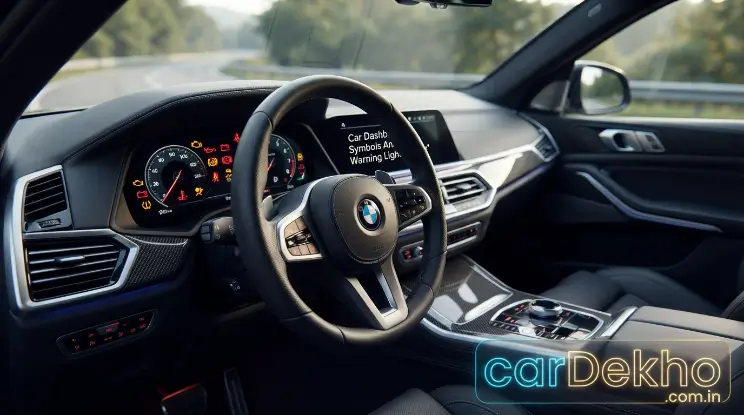
Not every dashboard symbol means there is a problem with the car. Many symbols simply show that a vehicle feature is active or operating normally. Understanding these indicator lights helps you know what your car is doing without confusing normal operation with a warning.
Turn Signal and Hazard Light Symbols
The left and right arrows show when the turn signals are operating and tell other drivers which direction you plan to take. Both arrows usually flash together when the hazard lights are switched on.
If the indicator flashes unusually fast or does not work, there may be a faulty bulb, fuse, or electrical issue. Check the lights if the dashboard indication does not appear normal.
Headlight and High Beam Symbols
Headlight symbols show which exterior lighting system is active. The high-beam indicator is commonly blue and tells you that the vehicle’s high beams are switched on.
Always use high beams responsibly and switch to low beams when approaching other vehicles. The exact headlight symbols can vary between vehicle models.
Fog Light Symbols
Fog light symbols indicate that the front or rear fog lights are active. Their appearance and position can vary depending on the vehicle manufacturer.
Fog lights should generally be used when visibility is significantly reduced by conditions such as fog or heavy rain. Follow the applicable road rules and switch them off when they are no longer needed.
Cruise Control Symbol
The cruise control symbol shows that the system is active or ready to operate, depending on the vehicle. It allows the driver to maintain a selected speed without continuously pressing the accelerator.
Modern vehicles may also have indicators for adaptive cruise control. This system can adjust speed to help maintain a selected distance from the vehicle ahead, depending on road and traffic conditions.
Lane Assist and Driver Assistance Symbols
Modern vehicles can display symbols for lane departure warning, lane keeping assistance, blind-spot monitoring, and other driver assistance systems. These features help provide information or alerts while driving.
The symbols can vary significantly between models and may show whether a system is active, unavailable, or reporting a fault. Always check the owner’s manual for the exact meaning of these indicators.
What Should You Do When a Dashboard Warning Light Appears?
When a warning appears, avoid guessing what it means. Follow a simple process.
- Identify the symbol: Look at the dashboard and owner’s manual.
- Check the color: Red and amber warnings generally require more attention than green or blue indicators.
- Check if it is flashing: A flashing warning can indicate a more urgent condition.
- Look for other symptoms: Notice unusual sounds, smells, smoke, overheating, or changes in vehicle performance.
- Stop safely when necessary: Find a safe location if the warning indicates a serious problem.
- Get professional help: Use a diagnostic scan or professional inspection when the cause is unclear.
Which Dashboard Warning Lights Are Serious?
Some dashboard warning lights indicate problems that should not be ignored. The oil pressure warning light, engine temperature warning light, and serious brake warning light can require immediate attention because continuing to drive may cause damage or create a safety risk. A battery or charging-system warning can also become serious if the vehicle starts losing electrical power. A flashing check engine light generally needs more urgent attention than a steady one, especially if the engine is running poorly. The correct response depends on the symbol, vehicle, and any symptoms you notice.
Red Dashboard Warning Lights
A red dashboard light generally signals a condition that needs immediate attention. Warnings related to brakes, oil pressure, engine temperature, or other critical systems may require you to stop safely and follow the vehicle manufacturer’s instructions.
Do not rely on color alone. Check the exact symbol and look for other signs such as unusual noises, smoke, overheating, loss of braking, or difficulty steering. If these symptoms appear, stop driving and seek professional assistance.
Amber Dashboard Warning Lights
An amber or yellow light usually indicates a fault, maintenance issue, or condition that needs attention. Some amber warnings may allow you to drive carefully for a short distance, while others can require prompt inspection.
The exact symbol is more important than the color by itself. Check the owner’s manual to understand the warning and arrange a professional inspection if the light remains on or the vehicle’s performance changes.
Why Is My Dashboard Warning Light Still On?
A warning light may remain on because the original problem has not been repaired. In other cases, the cause may be a faulty sensor, electrical issue, low fluid level, or intermittent fault.
Simply clearing a warning code does not necessarily fix the underlying problem. A diagnostic scan can help identify stored fault codes, but further inspection may still be needed to determine the actual cause.
Do Car Dashboard Symbols Differ by Vehicle?
Yes. While many car dashboard symbols are widely used across manufacturers, their designs, colors, wording, and functions can differ.
Modern vehicles can also have additional symbols for hybrid systems, electric powertrains, ADAS, charging, battery temperature, regenerative braking, and connected features.
For the most accurate interpretation, use the owner’s manual for your exact make, model, and year.
Frequently Asked Questions
Can dashboard symbols appear temporarily and then disappear?
Yes. Some dashboard symbols may appear briefly during the vehicle’s startup system check and disappear once the engine starts. A light that returns repeatedly or stays on may need further attention.
Why does the same dashboard symbol keep appearing after servicing?
A recurring symbol may mean the original issue was not fully resolved, or another related component has developed a fault. A proper diagnostic scan can help identify the cause.
Can cold weather cause dashboard warning lights to appear?
Yes, low temperatures can sometimes affect battery performance, tyre pressure, and other vehicle systems. If the warning remains after normal conditions return, the car should be checked.
What should I do if several dashboard symbols appear at the same time?
Do not assume every light represents a separate problem. Multiple warnings can sometimes be connected to one underlying electrical or system fault, so check the owner’s manual and arrange a professional inspection.
Are dashboard symbols different in electric and hybrid cars?
Yes. Electric and hybrid vehicles can have additional symbols related to battery temperature, charging, regenerative braking, and electric-drive systems. Their meanings should be checked in the vehicle-specific owner’s manual.
Conclusion
Understanding car dashboard symbols and meanings makes driving easier and safer. These symbols give useful information about your car’s systems and can warn you when something needs attention. Red and amber lights should be taken seriously, while green and blue indicators usually show that a feature is active. Knowing common engine, brake, battery, oil, tyre, and safety warning lights can help you respond at the right time.
Do not ignore a warning simply because the car still seems to drive normally. Check the exact symbol in your owner’s manual and pay attention to any unusual sounds, smells, or changes in performance. If a warning remains on or indicates a serious problem, get the vehicle inspected by a qualified professional. A quick response can help protect your car and prevent a small issue from becoming a bigger one.
