

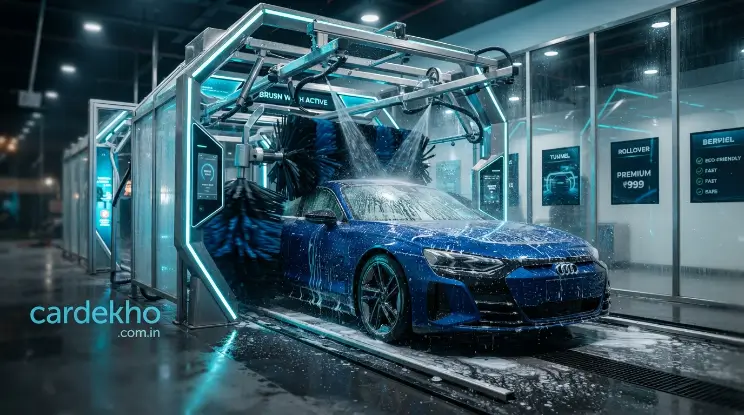
Welcome to CarDekho. A car washing machine is a modern cleaning system designed to wash vehicles faster and with less manual effort. It uses water pressure, foam, brushes, pumps, and other cleaning systems to remove dust, mud, grease, and other dirt from different parts of a car. These machines are commonly used at car wash centers, workshops, dealerships, and other vehicle cleaning facilities.
There are several types of car washing machines, including automatic, touchless, brush-type, high-pressure, and semi-automatic systems. Each type works differently and offers different levels of speed, cleaning, and automation. Understanding their features, price, installation requirements, and maintenance needs can help you choose the right car washing machine for your home or business.
What Is a Car Washing Machine?
A car washing machine is equipment that cleans vehicles using water pressure, cleaning chemicals, brushes, and drying systems. It removes dust, mud, grease, and road dirt while reducing manual effort. These machines are commonly used at car wash centers, workshops, dealerships, and petrol stations. Depending on the model, a car washing machine can handle pre-rinsing, foam application, washing, rinsing, underbody cleaning, and drying. For small-scale use, a high-pressure car washer may be suitable, while businesses often use an automatic car wash system for faster and more efficient cleaning.
How Does a Car Washing Machine Work?
The exact process depends on the machine type, but most automatic systems follow a series of simple cleaning stages. Water first removes loose dirt, followed by cleaning foam or shampoo to loosen tougher grime. The vehicle is then cleaned using brushes or high-pressure water before being rinsed with clean water.
- Pre-rinse: Water removes loose dirt and dust from the vehicle.
- Foam application: Shampoo or cleaning chemicals help loosen grease and stubborn dirt.
- Washing: Brushes or high-pressure water clean the vehicle’s exterior.
- Rinsing: Clean water removes soap and remaining dirt.
- Underbody cleaning: Some machines spray water underneath the vehicle to remove accumulated dirt.
- Drying: Air blowers remove excess water from the car’s surface.
Sensors, pumps, nozzles, brushes, and control systems work together to manage the washing cycle. The machine’s automation level determines how much of the process is completed automatically and how much assistance is required from an operator.
Types of Car Washing Machines
Different car washing machines are designed for different cleaning needs, levels of automation, available space, and business requirements. The main options include automatic, touchless, brush-type, high-pressure, and semi-automatic machines, each offering a different balance of speed, manual effort, and cleaning performance.
Automatic Car Washing Machine
An automatic car washing machine completes most of the cleaning process with limited manual effort. It can use programmed wash cycles, sensors, water jets, brushes, foam systems, and dryers to clean vehicles efficiently.
These machines are commonly used at commercial car wash centers, dealerships, workshops, and busy locations where faster and consistent vehicle cleaning is required.
Touchless Car Washing Machine
A touchless car washing machine cleans vehicles without using physical brushes. It mainly relies on high-pressure water, cleaning chemicals, and spray nozzles to remove dirt from the vehicle’s surface.
Because there is no direct brush contact, this system can reduce physical contact with the car. However, its cleaning results depend on water pressure, chemical quality, spray coverage, and the level of dirt on the vehicle.
Brush-Type Car Washing Machine
A brush-type car washing machine uses rotating brushes to clean the vehicle’s exterior. Many modern systems use soft brush materials designed for regular vehicle washing and effective dirt removal.
Regular brush maintenance is important because damaged or dirty brushes can affect cleaning quality and may leave unwanted marks on vehicle surfaces. Proper inspection helps maintain safe and consistent operation.
High-Pressure Car Washer
A high-pressure car washer uses a powerful water jet to remove dirt, mud, and grime from vehicles. It is generally more affordable than a fully automatic system but requires more manual operation during the cleaning process.
This equipment is suitable for homes, workshops, detailing businesses, and smaller car wash operations. The correct pressure and spray distance should be used to avoid damaging sensitive vehicle surfaces.
Semi-Automatic Car Wash Machine
A semi-automatic car wash machine combines machine-assisted cleaning with some manual work. The operator controls certain stages while the machine performs specific washing tasks.
It can be a practical option for smaller businesses that want to reduce manual effort without investing in a fully automatic system. It also provides more operator control during the washing process.
Car Washing Machine Price
The car washing machine price varies depending on the machine type, automation level, pump capacity, drying system, installation, and additional features. Basic equipment usually costs less than a complete commercial automatic car wash system, while larger machines with advanced controls, multiple washing stages, and drying systems require a higher investment.
Factors That Affect Car Washing Machine Price
Several factors can influence the final car washing machine price, including:
- Type of machine
- Automation level
- Pump and motor capacity
- Water pressure
- Number and type of brushes
- Drying system
- Water recycling system
- Construction quality
- Installation requirements
- Warranty and after-sales service
Buyers should consider the total ownership cost, not just the purchase price. Expenses such as installation, electricity, water, chemicals, spare parts, and maintenance can also affect the overall cost.
Is a Cheap Car Washing Machine Worth Buying?
A low-cost car washing machine can work well for simple needs, but price should not be the only factor. Check the machine’s build quality, warranty, spare parts, service support, water consumption, and expected workload before buying.
A cheaper machine may cost more over time if it requires frequent repairs or has poor after-sales support. Choosing equipment that matches your usage and budget can provide better long-term value.
Read also: Maruti Suzuki Ritz Car: Complete Guide To Specs, Price, History, and Buying Tips
Key Features to Look for in a Car Washing Machine
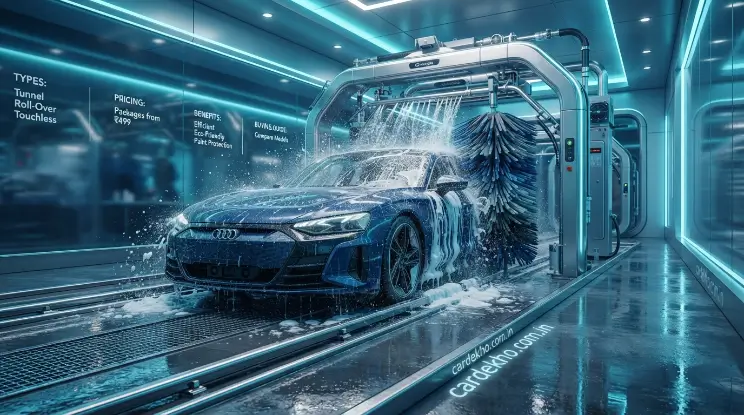
Before purchasing a car washing machine, compare its technical specifications, cleaning performance, operating costs, and practical features. The right combination of water pressure, pump performance, sensors, chemical systems, drying, and water-saving features can make the machine more efficient and suitable for your needs.
Water Pressure and Pump Performance
The pump controls the water flow and pressure used during cleaning. A suitable pump should provide enough pressure to remove dirt effectively while matching the machine’s intended use.
Very high pressure is not always necessary, as excessive pressure can affect sensitive vehicle surfaces. Check the manufacturer’s pressure and flow specifications before choosing a machine.
Automatic Sensors and Control System
Sensors and control systems help automate different stages of the washing process. Depending on the model, they can detect vehicles, control wash cycles, manage water spraying, and operate other machine functions.
A reliable control system can make operation easier and provide more consistent cleaning. For commercial use, simple controls and dependable sensors can also reduce operator effort.
Foam, Shampoo and Chemical System
The chemical system distributes car wash shampoo or foam across the vehicle to loosen dirt, grease, and road grime. Even application helps prepare the surface for the washing and rinsing stages.
Check whether the machine supports the type of cleaning chemicals you plan to use. Proper chemical use can improve cleaning while avoiding unnecessary product waste.
Drying System
Some commercial car washing machines include air blowers or other drying equipment to remove excess water after rinsing. This can make the overall washing process faster and leave less water on the vehicle.
When comparing machines, check the drying power, airflow, and coverage. A suitable drying system is particularly useful for busy commercial operations where faster service is important.
Water Recycling and Water-Saving Features
A car washing machine with water-saving features can help reduce water consumption and operating costs. Some commercial systems include water recovery or recycling equipment that allows treated water to be reused.
Check the manufacturer’s actual water consumption and recycling specifications before buying. This gives a clearer idea of long-term operating costs than general water-saving claims.
Benefits of Using a Car Washing Machine
Using a car washing machine can make vehicle cleaning faster, more consistent, and less dependent on manual work. The main benefits include:
- Faster vehicle cleaning
- Reduced manual labor
- More consistent washing
- Higher daily vehicle capacity
- Controlled water usage
- Less cleaning time
- Professional washing process
- Easier operation for businesses
The actual benefits depend on the machine type, workload, maintenance, and operating conditions.
Car Washing Machine for Business
A car washing machine for business can be used at car wash centers, petrol stations, dealerships, workshops, fleet operations, and detailing facilities. It can help businesses handle more vehicles while reducing some manual cleaning work.
Before choosing a machine, consider daily vehicle volume, available space, labor needs, water and electricity consumption, maintenance, and customer demand. Selecting a machine that matches the expected workload can help control both initial and operating costs.
Automatic vs Manual Car Washing
| Feature | Automatic Machine | Manual Washing |
| Speed | Generally faster | Generally slower |
| Labor | Lower manual effort | Higher manual effort |
| Consistency | Programmed process | Depends on operator |
| Initial investment | Higher | Lower |
| Control | Automated settings | Manual |
| Best suited for | Higher-volume operations | Home and small-scale use |
Manual washing can provide greater hands-on control, while an automatic car wash machine can reduce the amount of work required for each vehicle. The right option depends on the user’s budget, vehicle volume, available space, and desired level of automation.
How to Choose the Right Car Washing Machine
Choosing the right car washing machine depends on more than its price. Consider your daily workload, available space, operating costs, maintenance needs, and the level of automation required for your home or business.
Consider Your Daily Vehicle Volume
Estimate how many vehicles you expect to wash each day. A small operation may only need a basic or semi-automatic machine, while a busy car wash may require a higher-capacity automatic car wash system.
Choosing equipment according to your daily workload helps avoid paying for unnecessary capacity or using a machine that cannot handle your required volume.
Check Available Space and Installation Requirements
Measure the available washing area before buying and check the machine’s dimensions. Make sure there is enough space for vehicles, equipment, drainage, plumbing, and safe operator movement.
Also check the required water supply and electrical connection. Proper installation space is important for safe operation and easy maintenance.
Compare Water and Electricity Consumption
Check the machine’s water flow, water consumption, and electricity requirements before making a decision. Efficient equipment can help reduce operating costs, especially when washing many vehicles each day.
Compare the manufacturer’s specifications rather than relying only on general claims. This will help you estimate the machine’s actual running costs.
Check Warranty, Spare Parts and Service
Good after-sales support is important when buying commercial equipment. Check the warranty period, spare parts availability, service support, and maintenance requirements.
A machine with reliable service support can be easier to maintain and repair when problems occur, helping reduce unnecessary downtime.
Match the Machine to Your Budget
Set a realistic budget that includes more than the machine’s purchase price. Consider installation, plumbing, electrical work, water systems, chemicals, and maintenance costs.
Comparing the complete investment will help you choose a car washing machine that fits both your budget and your long-term requirements.
Installation Requirements for a Car Washing Machine
A car washing machine may require several installation arrangements depending on its size and design.
Important requirements can include:
- Suitable floor and washing area
- Reliable water supply
- Proper drainage
- Electrical connection
- Plumbing
- Water storage or treatment system
- Water recycling equipment where required
- Suitable machine foundation
- Professional installation
Commercial systems can have different space, electrical, water, and drainage requirements. Always follow the manufacturer’s installation instructions before setting up the equipment.
Car Washing Machine Maintenance Tips
Regular maintenance can help keep a car washing machine operating efficiently.
Important maintenance tasks include:
- Clean filters regularly.
- Inspect hoses and connections.
- Check pumps for unusual performance.
- Clean brushes and spray nozzles.
- Check sensors and control components.
- Inspect chemical lines.
- Check electrical connections.
- Follow the manufacturer’s service schedule.
Regular inspection can also help identify small problems before they cause major equipment downtime.
Common Problems and Solutions
| Problem | Possible Cause | Basic Solution |
| Low water pressure | Pump or filter problem | Inspect and clean the system |
| Poor cleaning | Nozzle or chemical issue | Check spray and detergent supply |
| Machine stops | Sensor or control problem | Check warning indicators |
| Poor drying | Airflow or filter issue | Inspect dryer and filters |
| Water leakage | Loose or damaged connection | Check hoses and fittings |
If a problem involves electrical components, pressure systems, or major mechanical parts, use a qualified technician instead of attempting an unsafe repair.
Common Mistakes When Buying a Car Washing Machine
Buyers often focus too much on the initial car washing machine price and overlook other important factors.
Common mistakes include:
- Choosing only by price
- Ignoring available space
- Not checking electrical requirements
- Overlooking water consumption
- Forgetting maintenance costs
- Buying without local service support
- Not checking warranty terms
- Choosing a machine that does not match daily vehicle volume
A detailed comparison of specifications and ownership costs can help avoid these problems.
Is a Car Washing Machine a Good Investment?
A car washing machine can be a useful investment for a business, but its financial performance depends on several factors.
Consider:
- Number of vehicles washed per day
- Price charged per wash
- Machine and installation costs
- Labor expenses
- Water and electricity costs
- Maintenance expenses
- Operating hours
- Local customer demand
For example, a machine used only a few times each day may have a different cost structure from one operating continuously in a busy commercial location. Instead of assuming a fixed return, calculate your expected revenue and operating expenses based on your actual business conditions.
Frequently Asked Questions
Can a car washing machine clean SUVs and larger vehicles?
Yes, but the machine must have suitable dimensions, clearance, and washing capacity for larger vehicles. Always check the manufacturer’s maximum vehicle size before purchase.
Can one car washing machine be used for different types of vehicles?
Many machines can wash cars, SUVs, vans, and other vehicles within their specified size limits. The equipment should be selected according to the types of vehicles you expect to service.
Does a car washing machine require trained operators?
Basic machines are usually simple to operate, while advanced commercial systems may require operator training. Proper training helps ensure safe operation and correct use of cleaning chemicals.
Can a car washing machine work in areas with hard water?
Yes, but hard water can leave mineral deposits on equipment and vehicle surfaces over time. Water treatment or filtration may help reduce these effects and protect the washing system.
How long does a car washing machine usually last?
Its service life depends on build quality, workload, cleaning practices, and regular maintenance. Following the manufacturer’s maintenance schedule can help keep the machine operating reliably for longer.
Conclusion
A car washing machine can make vehicle cleaning faster, easier, and more consistent. Different machines are available for different needs, from high-pressure car washers to fully automatic systems. Before buying, consider the machine type, price, water and electricity use, available space, and maintenance requirements.
For a business, choosing the right machine depends on daily vehicle volume and operating needs. Check the warranty, spare parts, installation, and service support before making a decision. A well-matched car washing machine can reduce manual work and make the washing process more efficient.
