


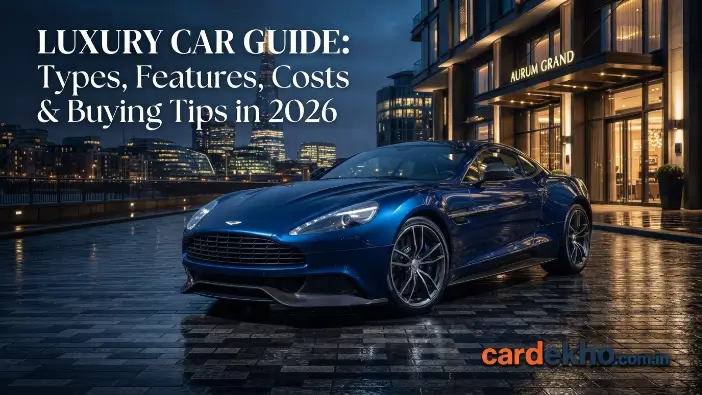
Welcome to CarDekho. A luxury car is more than an expensive vehicle with a prestigious badge. It combines refined design, high-quality materials, advanced technology, strong performance, safety, and a comfortable driving experience. Modern luxury vehicles range from premium sedans and SUVs to high-performance coupes and electric cars, giving buyers more choices than ever.
Choosing the right luxury car requires looking beyond the purchase price. Maintenance, depreciation, fuel or charging costs, reliability, resale value, service availability, and everyday practicality can have a major impact on the overall ownership experience. This guide explains the main types of luxury cars, the features worth paying for, expected costs, and the most important factors to consider before buying.
What Is a Luxury Car?
A luxury car is a vehicle designed to provide a higher level of comfort, refinement, technology, craftsmanship, performance, or exclusivity than a typical mainstream vehicle. There is no single feature that officially makes a car luxurious. Instead, luxury usually comes from the combination of several characteristics, including a quiet cabin, premium materials, sophisticated suspension systems, advanced driver assistance, powerful engines or electric powertrains, and carefully designed interiors. Luxury has also become more accessible. Some entry-level models now compete directly with mainstream vehicles in price while offering premium interiors and advanced technology.
What Makes a Car Luxury?
Several characteristics commonly distinguish luxury vehicles. Luxury has also become more accessible. Some entry-level models now compete directly with mainstream vehicles in price while offering premium interiors and advanced technology.
Premium materials: Luxury cars often use higher-quality leather or synthetic upholstery, wood, metal, carbon fiber, soft-touch surfaces, and carefully finished trim.
Comfort: Seats may offer heating, ventilation, massage functions, extensive adjustment, and memory settings. Sophisticated suspension systems can also provide a smoother ride.
Technology: Large digital displays, premium sound systems, advanced navigation, smartphone integration, connected services, and driver-assistance systems are common.
Performance: Many luxury vehicles offer powerful engines, responsive transmissions, sophisticated all-wheel-drive systems, or high-performance electric powertrains.
Quietness: Extensive insulation, acoustic glass, active noise cancellation, and refined engines can make the cabin exceptionally quiet.
Design and craftsmanship: Luxury vehicles often place greater emphasis on exterior styling, interior details, stitching, materials, and customization.
Luxury vs. Premium vs. Mainstream Cars
The boundaries between these categories are increasingly blurred. A mainstream car typically prioritizes affordability, practicality, reliability, and low operating costs. A premium vehicle adds better materials, technology, styling, or performance. A luxury vehicle generally pushes these characteristics further, with greater attention to refinement, comfort, exclusivity, and personalization.
However, a higher price does not automatically mean a vehicle is better for every buyer. A mainstream vehicle can be the more sensible choice for someone who prioritizes low maintenance costs and practicality. Luxury has also become more accessible. Some entry-level models now compete directly with mainstream vehicles in price while offering premium interiors and advanced technology.
Types of Luxury Cars
Luxury vehicles are available in several body styles and powertrain configurations. The best option depends on how you plan to use the vehicle. Luxury has also become more accessible. Some entry-level models now compete directly with mainstream vehicles in price while offering premium interiors and advanced technology. A mainstream vehicle can be the more sensible choice for someone who prioritizes low maintenance costs and practicality. Luxury has also become more accessible. Some entry-level models now compete directly with mainstream vehicles in price while offering premium interiors and advanced technology.
Luxury Sedans
Luxury sedans are premium cars designed for people who want a comfortable, smooth, and elegant driving experience. They usually offer high-quality interiors, advanced technology, comfortable seats, quiet cabins, and refined performance. Compact luxury sedans are smaller and easier to drive in cities, while still providing many premium features and a high level of comfort.
Executive and full-size luxury sedans are larger and provide more interior space, especially for passengers in the rear seats. They are ideal for people who frequently travel long distances or spend a lot of time on highways because they offer a smooth, quiet, and comfortable ride. Full-size models usually provide the highest level of luxury, with spacious cabins, advanced features, and superior refinement.
Luxury SUVs
Luxury SUVs combine premium features with the practicality of greater cargo space and a higher driving position. Compact luxury SUVs are suitable for individuals and small families who want easier urban maneuverability. Midsize models offer more space, while full-size and three-row luxury SUVs can accommodate larger families.
Many luxury SUVs also offer all-wheel drive, advanced suspension systems, powerful engines, and extensive safety technology. For buyers who need one vehicle for family transportation, business travel, and long-distance driving, a luxury SUV can be one of the most versatile choices. Full-size models usually provide the highest level of luxury, with spacious cabins, advanced features, and superior refinement.
Luxury Sports Cars and Coupes
Luxury sports cars and coupes are designed for people who enjoy performance, stylish design, and an exciting driving experience. They usually focus on quick acceleration, sharp handling, strong braking, responsive steering, and aerodynamic styling. Many models come with powerful engines, while modern electric performance cars can provide very fast acceleration through electric motors.
These vehicles are ideal for drivers who enjoy driving and want a sporty, premium car. However, they usually offer less passenger and cargo space than luxury sedans or SUVs. If comfort and practicality are your main priorities, a luxury sedan or SUV may be a better choice.
Luxury Electric Cars
Luxury electric cars have become an important part of the premium market. Electric powertrains provide quiet operation and immediate torque, while premium EVs often combine this with advanced infotainment, sophisticated driver assistance, high-quality interiors, and long-distance capability.
Before choosing a luxury EV, consider battery range, charging availability, charging speed, battery warranty, and access to qualified service. For buyers who have reliable home charging and mostly predictable daily driving, an electric luxury vehicle can offer a particularly smooth driving experience.
Read Also: Dodge Car Guide: Models, Prices, Features & Buying Tips
Best Luxury Car Brands to Consider
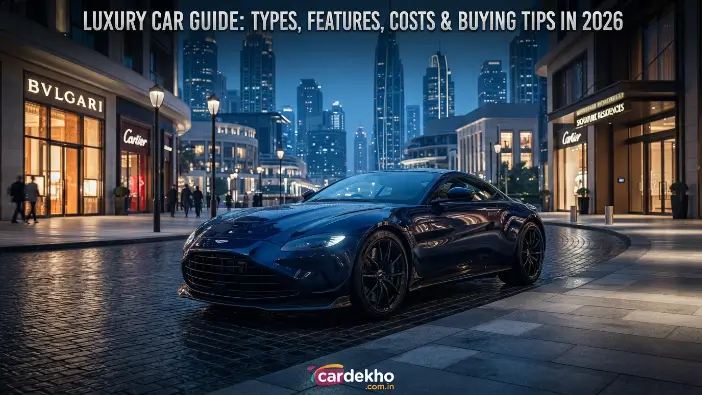
The ideal luxury brand depends on your priorities. Some emphasize comfort, others focus on performance, technology, reliability, or exclusivity. Before choosing a luxury EV, consider battery range, charging availability, charging speed, battery warranty, and access to qualified service. For buyers who have reliable home charging and mostly predictable daily driving, an electric luxury vehicle can offer a particularly smooth driving experience. At the ultra-luxury end of the market, brands such as Bentley and Rolls-Royce focus heavily on craftsmanship, exclusivity, personalization, and exceptional materials.
European Luxury Car Brands
European manufacturers have a long history in the luxury segment. Mercedes-Benz is strongly associated with comfort, technology, and premium design. BMW generally emphasizes driving dynamics while offering extensive luxury features. Audi is known for understated styling, technology, and sophisticated interiors.
Porsche occupies a more performance-oriented position while still offering premium comfort and refinement. At the ultra-luxury end of the market, brands such as Bentley and Rolls-Royce focus heavily on craftsmanship, exclusivity, personalization, and exceptional materials.
Japanese Luxury Car Brands
Japanese luxury car brands are known for combining comfort, reliability, refined design, and long-term value. Lexus is especially recognized for its quiet interiors, smooth ride, high-quality materials, and range of hybrid models. Acura focuses on premium features and practical everyday driving, while Infiniti is known for stylish designs and a more performance-focused approach.
Japanese luxury cars are a good option for buyers who want a comfortable and premium driving experience without focusing only on maximum speed or performance. They can offer a good balance of luxury, reliability, technology, and everyday practicality.
American Luxury Car Brands
American luxury car brands are known for spacious interiors, powerful engines, comfortable rides, and bold designs. They often focus on providing a smooth and enjoyable driving experience while offering plenty of space for passengers. Cadillac, for example, combines luxury, modern technology, and performance across its sedans and SUVs.
Lincoln focuses more on quiet cabins, comfortable seats, and relaxed driving. American luxury cars can be a good choice for buyers who want a spacious interior, strong road presence, and a comfortable driving experience without giving up modern technology and premium features.
Emerging Luxury Brands
The luxury car market is growing beyond traditional brands, with newer manufacturers offering premium vehicles and modern technology. Genesis is a good example, combining distinctive styling, high-quality interiors, advanced features, and competitive pricing to compete with established luxury brands.
The rise of electric vehicles is also bringing new brands into the luxury market. Many newer companies are focusing on premium electric cars that offer advanced technology, strong performance, modern designs, and comfortable interiors. This gives buyers more choices when looking for a modern luxury car.
Key Features to Look for in a Luxury Car
A luxury vehicle should provide meaningful improvements in the areas that matter most to you. Expensive features are not automatically useful features. The luxury market is also expanding beyond traditional manufacturers. Genesis has established itself as a premium brand with a focus on distinctive design, upscale interiors, technology, and competitive pricing relative to established luxury manufacturers. The growth of premium electric vehicles has also introduced new competitors, particularly in markets where EV adoption is accelerating.
Interior Comfort and Materials
The cabin is one of the most important parts of the luxury experience. Look for supportive seats, quality upholstery, good adjustment range, effective climate control, excellent cabin insulation, and comfortable rear seating if passengers frequently travel with you. The growth of premium electric vehicles has also introduced new competitors, particularly in markets where EV adoption is accelerating.
Features such as heated and ventilated seats can make a meaningful difference in extreme climates. Massage seats can be appealing, but they should generally be considered optional rather than essential. Material quality also matters. Pay attention to how surfaces feel and how well different materials fit together rather than judging the cabin purely by the amount of equipment installed.
Technology and Infotainment
Modern luxury vehicles can include extensive digital technology. Features such as heated and ventilated seats can make a meaningful difference in extreme climates. Massage seats can be appealing, but they should generally be considered optional rather than essential. Material quality also matters. Pay attention to how surfaces feel and how well different materials fit together rather than judging the cabin purely by the amount of equipment installed.
Useful features may include:
- Large digital instrument displays
- Smartphone integration
- Wireless charging
- Premium audio systems
- Advanced navigation
- Voice controls
- Connected vehicle services
- Multiple USB charging ports
- Over-the-air software updates
The best technology is technology that is easy to use. A complicated interface can reduce the enjoyment of an otherwise excellent vehicle.
Safety and Driver Assistance
Luxury vehicles frequently offer extensive driver-assistance technology. Depending on the model, this can include adaptive cruise control, automatic emergency braking, blind-spot monitoring, lane-centering assistance, parking sensors, cameras, and automated parking functions.
These systems can reduce driver workload, but they should supplement attentive driving rather than replace it. The growth of premium electric vehicles has also introduced new competitors, particularly in markets where EV adoption is accelerating. A well-engineered luxury vehicle should have predictable steering, effective braking, controlled body movements, a comfortable suspension, and a powertrain that responds smoothly.
Performance and Ride Quality
Performance in a luxury car is not only about having a powerful engine or high horsepower. It also includes smooth acceleration, responsive steering, strong brakes, a comfortable suspension, and good control while driving. A well-designed luxury car should feel stable and comfortable on different types of roads.
Every driver has different preferences. Some people prefer a quiet and smooth ride, while others enjoy sharper handling and a more sporty driving experience. That is why a test drive is important before buying a luxury car, because numbers and specifications cannot fully explain how a car feels when you drive it.
How Much Does a Luxury Car Cost?
Luxury car prices vary enormously. An entry-level luxury vehicle can cost considerably less than an ultra-luxury model, while optional equipment can significantly increase the final price. Performance in a luxury car is not only about having a powerful engine or high horsepower. It also includes smooth acceleration, responsive steering, strong brakes, a comfortable suspension, and good control while driving. A well-designed luxury car should feel stable and comfortable on different types of roads.
The purchase price is only one part of the financial equation.
| Luxury Car Category | General Position |
| Entry-level luxury | More accessible premium features |
| Midsize luxury | Greater comfort and technology |
| Full-size luxury | Maximum space and refinement |
| Ultra-luxury | Bespoke craftsmanship and exclusivity |
| Luxury EV | Premium technology and electric performance |
Actual prices depend on the brand, model, trim, engine, options, taxes, market conditions, and location. For buyers in Pakistan, imported vehicle prices can be affected substantially by exchange rates, customs duties, taxes, registration charges, shipping expenses, and vehicle availability. A model that appears affordable in its home market may therefore cost considerably more locally.
Luxury Car Ownership Costs You Should Know
The purchase price does not tell the full story of luxury car ownership. Every driver has different preferences. Some people prefer a quiet and smooth ride, while others enjoy sharper handling and a more sporty driving experience. That is why a test drive is important before buying a luxury car, because numbers and specifications cannot fully explain how a car feels when you drive it. Actual prices depend on the brand, model, trim, engine, options, taxes, market conditions, and location. For buyers in Pakistan, imported vehicle prices can be affected substantially by exchange rates, customs duties, taxes, registration charges, shipping expenses, and vehicle availability. A model that appears affordable in its home market may therefore cost considerably more locally.
Maintenance and Repairs
Luxury cars can be more expensive to maintain than regular cars because they often use advanced technology, high-quality parts, complex suspension systems, larger brakes, and specialized tires. Some luxury vehicles also have powerful engines or advanced electric systems that may require more expensive repairs and replacement parts.
Regular servicing may also require special tools, computer equipment, and trained technicians who understand the specific brand or model. Before buying a luxury car, check the cost of regular maintenance and make sure reliable service centers and replacement parts are available in your area.
Fuel or Charging Costs
Fuel consumption is an important factor when choosing a luxury car. Vehicles with large engines or high-performance systems usually use more fuel than smaller engines, hybrids, or more efficient models. If you drive frequently, higher fuel consumption can significantly increase your yearly ownership costs.
Hybrid and plug-in hybrid luxury cars can help reduce fuel use, especially during city driving. Electric luxury cars do not need petrol or diesel, but you need convenient access to charging. Before choosing a vehicle, consider how many kilometers you drive each year and calculate the expected fuel or charging costs.
Insurance, Registration and Taxes
Insurance for a luxury car can be more expensive because these vehicles often have a higher value, more expensive parts, and higher repair costs. High-performance luxury cars may also have higher insurance premiums because they can be more costly to repair or replace after an accident.
Registration fees and taxes depend on your location, the vehicle’s value, engine size, and other factors. Imported luxury cars may also have additional customs duties, taxes, and fees. Before buying, include insurance, registration, taxes, and other charges in your total budget so you know the real cost of owning the car.
Depreciation and Resale Value
Depreciation means the decrease in a car’s value as it gets older and more mileage is added. For example, if you buy a new luxury car for $60,000, it may not be worth $60,000 after a few years. Its value can decrease because the car is no longer new, newer models are available, and buyers may prefer the latest technology and features. Luxury cars can sometimes experience noticeable depreciation because they have higher original prices and expensive optional features.
Several factors affect how quickly a luxury car loses value. Brand reputation, reliability, mileage, condition, maintenance history, demand, and the availability of replacement parts can all influence resale value. Some models maintain their value better than others because they are reliable and in high demand in the used-car market. If you plan to sell your luxury car in the future, research its expected resale value before buying. Choosing a model with strong demand and good reliability can help reduce your overall financial loss.
New vs. Used Luxury Car: Which Is Better?
Both new and used luxury cars can be good choices, depending on your budget and needs. A new luxury car offers the latest technology, modern safety features, warranty coverage, and the ability to choose your preferred features and design. However, new cars usually cost more and can lose value quickly during the first few years. A used luxury car can be more affordable and may give you access to a higher-end model or better features for less money. However, you should carefully check its condition, maintenance history, mileage, and repair costs before buying. The right choice depends on whether you value the latest features and warranty or prefer a lower purchase price and better value.
Advantages of Buying New
Buying a new luxury car gives you access to the latest technology, modern safety features, improved performance, and updated interior designs. You can also choose the color, trim, and features you want. Another major advantage is the factory warranty, which can help cover certain repairs and reduce unexpected expenses during the early years of ownership.
A new luxury car has no previous owner, so you do not have to worry about hidden damage, poor maintenance, or how the vehicle was driven before you bought it. However, the biggest disadvantage is depreciation. A new luxury car can lose a significant amount of its value during the first few years, which can make it more expensive to own if you plan to sell it later.
Advantages of Buying Used
A used luxury car can offer excellent value because you may be able to buy a higher-end model or better-equipped trim for much less than its original price. For example, a used executive sedan with premium features may cost about the same as a new mainstream car, while giving you a more luxurious interior, better technology, and a more refined driving experience.
However, a lower purchase price does not always mean lower ownership costs. Used luxury cars may require more expensive maintenance, repairs, tires, or replacement parts as they get older. Before buying, check the vehicle’s service history, condition, maintenance costs, and parts availability to make sure the car fits your budget.
What to Check Before Buying Used
Before purchasing a used luxury vehicle, check: For example, a used executive sedan with premium features may cost about the same as a new mainstream car, while giving you a more luxurious interior, better technology, and a more refined driving experience. However, a lower purchase price does not always mean lower ownership costs. Used luxury cars may require more expensive maintenance, repairs, tires, or replacement parts as they get older.
- Complete service history
- Accident and ownership history
- Engine and transmission condition
- Suspension components
- Brake condition
- Tire condition
- Cooling system
- Electrical systems
- Infotainment functions
- Air-conditioning performance
- Warning lights
- Genuine mileage
- Availability and price of replacement parts
A professional pre-purchase inspection is strongly recommended.
How to Choose the Right Luxury Car
Choosing the right vehicle becomes easier when you follow a structured process. For example, a used executive sedan with premium features may cost about the same as a new mainstream car, while giving you a more luxurious interior, better technology, and a more refined driving experience. However, a lower purchase price does not always mean lower ownership costs. Used luxury cars may require more expensive maintenance, repairs, tires, or replacement parts as they get older. Before buying, check the vehicle’s service history, condition, maintenance costs, and parts availability to make sure the car fits your budget.
Set Your Total Budget
Start by deciding the maximum amount you can comfortably spend on a luxury car. Do not base your budget only on the car’s purchase price. You also need to consider the ongoing costs of owning and using the vehicle. Before buying, check the vehicle’s service history, condition, maintenance costs, and parts availability to make sure the car fits your budget.
Set aside money for fuel or charging, regular maintenance, insurance, taxes, registration, tires, repairs, and depreciation. Keeping some money available for unexpected expenses can also help you avoid financial pressure. A good budget should cover both the cost of buying the car and the cost of owning it over time.
Choose the Right Body Style
Think about how you will use your luxury car every day before choosing a body style. A sedan can be a great choice for comfortable highway driving and long trips, while an SUV may be better for families because it offers more passenger and cargo space. An SUV can also be useful if you prefer a higher driving position or regularly drive on challenging roads.
A coupe can be a good option for drivers who want a stylish and sporty vehicle and do not need much passenger or cargo space. If you prefer quiet driving, lower running costs, and have easy access to charging, a luxury electric vehicle may also be worth considering. Choose the body style that best matches your daily needs rather than buying based only on appearance.
Prioritize the Features You Need
Before buying a luxury car, decide which features are essential for your daily driving and which are simply optional extras. Focus on features that improve comfort, safety, and convenience, such as comfortable seats, effective climate control, a good driving position, and useful safety technology.
Avoid paying extra for features you are unlikely to use regularly. Expensive entertainment systems, advanced customization options, or other premium extras may look attractive, but they can increase the overall price without adding much value to your daily driving experience. Choose the features that genuinely make the car more comfortable, safe, and practical for you.
Compare Reliability and Ownership Costs
Do not compare luxury cars based only on their price, horsepower, or appearance. Before making a decision, research how much the car costs to service, common problems with the model, warranty coverage, availability of replacement parts, fuel consumption, and resale value.
A car with a lower purchase price may become more expensive if it requires frequent repairs, uses more fuel, or has costly replacement parts. Comparing the total cost of ownership will help you choose a luxury car that fits your budget not only when you buy it, but throughout the time you own it.
Take a Proper Test Drive
Spend enough time behind the wheel to evaluate: A coupe can be a good option for drivers who want a stylish and sporty vehicle and do not need much passenger or cargo space. If you prefer quiet driving, lower running costs, and have easy access to charging, a luxury electric vehicle may also be worth considering. Choose the body style that best matches your daily needs rather than buying based only on appearance.
- Seat comfort
- Visibility
- Steering
- Braking
- Ride quality
- Cabin noise
- Acceleration
- Gearbox behavior
- Parking visibility
- Infotainment controls
If possible, drive the vehicle on both city roads and highways.
Frequently Asked Questions
What qualifies as a luxury car?
A luxury car generally provides a higher level of refinement, comfort, materials, technology, performance, craftsmanship, or exclusivity than a mainstream vehicle. There is no single feature that defines luxury.
Which luxury car is best for everyday driving?
The best everyday luxury car depends on your needs. A compact or midsize luxury sedan can be ideal for comfortable commuting, while a luxury SUV may be better for families and buyers who need additional cargo space.
Are luxury cars expensive to maintain?
They can be. Luxury vehicles may have more complex technology, specialized components, premium tires, advanced suspension systems, and higher-cost replacement parts. Maintenance costs vary significantly by model.
Is buying a used luxury car worth it?
It can be worthwhile when the vehicle has a strong maintenance history and passes an independent inspection. Used luxury cars can offer significant value because depreciation has already reduced the purchase price.
Which luxury car type is best for families?
A luxury SUV is often the most practical choice for families because it can provide more passenger space, cargo capacity, easier access, and available three-row seating. A luxury sedan may be preferable for smaller families that prioritize comfort and driving refinement.
Conclusion
The right luxury car should deliver more than an impressive badge. Comfort, interior quality, technology, safety, performance, reliability, depreciation, maintenance, and everyday practicality all contribute to the ownership experience. A luxury car generally provides a higher level of refinement, comfort, materials, technology, performance, craftsmanship, or exclusivity than a mainstream vehicle. There is no single feature that defines luxury.
Before buying, establish your total budget, decide which body style fits your lifestyle, compare ownership costs, and test-drive several vehicles. For used models, a professional inspection and complete service history are especially important. The best luxury car is ultimately not the most expensive one. It is the vehicle that provides the level of comfort, performance, technology, and refinement you want while remaining financially sensible to own.
