

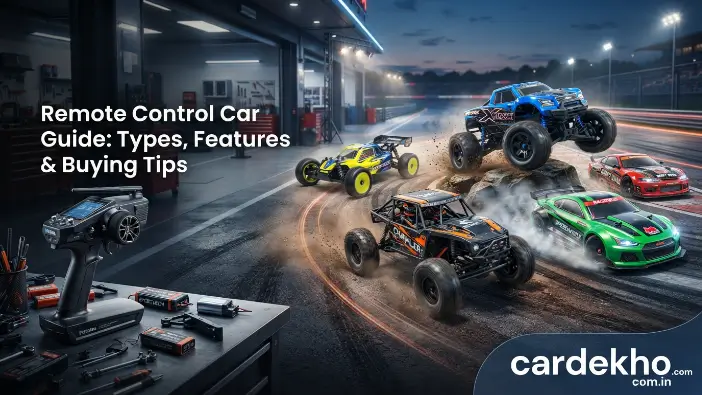
Welcome to CarDekho. A remote control car is no longer just a simple childhood toy. Over the years, RC technology has evolved significantly, transforming basic battery-powered vehicles into advanced machines capable of high speeds, off-road adventures, realistic racing experiences, and professional-level customization. Today, people of all ages enjoy RC cars for entertainment, competition, learning, and hobby purposes. Whether you are buying your first model for a child, searching for a durable outdoor vehicle, or exploring the world of hobby grade RC cars, understanding how these vehicles work can help you choose the right option.
Choosing the best remote control car can be challenging because the market offers hundreds of different models with varying features, designs, and performance levels. Some users need a simple remote control toy car for beginners, while others look for a fast RC car with powerful motors, longer battery life, and advanced control systems. Factors such as speed, driving range, battery type, durability, terrain compatibility, and maintenance requirements all influence the overall experience. This complete guide explains everything you need to know about remote control cars, including different types, important features, buying tips, common mistakes, and maintenance techniques to help you make a confident decision.
What Is a Remote Control Car?
A remote control car is a wireless-controlled vehicle that allows users to operate movement, steering, and speed through a handheld transmitter. Unlike traditional toy vehicles, modern models use advanced electronic systems, motors, batteries, and mechanical components to provide a realistic driving experience. These vehicles are available in many forms, including electric RC cars, off-road RC cars, racing models, drift vehicles, and professional hobby machines designed for enthusiasts. Whether used for entertainment, learning, or competitive racing, a remote control car combines technology and creativity to create an engaging experience for users of different ages and skill levels.
How Remote Control Cars Work
A remote control car works by using a combination of wireless communication, electronic controls, and mechanical systems that work together to move. The process begins when the user operates the remote transmitter, which sends signals to the receiver installed inside the vehicle. These signals are interpreted by the car’s electronic components, which control functions such as acceleration, braking, and steering. In advanced hobby-grade RC cars, these systems are designed for faster response times, improved accuracy, and better control over different driving conditions.
The main components that allow a remote control car to operate include the remote transmitter, receiver system, motor and drivetrain, battery connection, and steering mechanism. Each part plays an important role in the vehicle’s overall performance. A high-quality system provides smoother handling, longer operating distance, and better reliability compared with basic models.
Difference Between Toy Grade and Hobby Grade RC Cars
The biggest difference between toy-grade and hobby-grade remote control cars is the level of construction, performance, and customization they offer. Toy-grade models are designed mainly for casual entertainment and are usually built with simpler components to keep costs low. They are suitable for children and beginners who want an easy-to-use vehicle without complicated maintenance requirements.
Hobby-grade RC cars are designed for enthusiasts who want better speed, durability, and control. These vehicles use higher-quality materials, stronger mechanical parts, and advanced electronic systems. Although they are usually more expensive, they provide a more realistic driving experience and can often be upgraded with replacement parts and performance accessories.
Types of Remote Control Cars Available
The market offers many different types of remote control cars, each designed for specific driving styles, environments, and user preferences. Some models are built for beginners who want simple operation, while others are created for experienced enthusiasts who enjoy speed, customization, and competitive racing. Choosing the right type depends on where you plan to drive, how much performance you need, and whether you prefer casual entertainment or advanced RC car hobby experiences. Understanding the differences between each category helps you select a vehicle that matches your needs and provides better value.
Electric RC Cars
Electric remote control cars are among the most popular and widely available models because they are easy to use, affordable, and require less maintenance compared with fuel-powered alternatives. These vehicles run on rechargeable batteries that provide power to an electric motor, making them a convenient option for children, beginners, and casual users. Modern electric RC cars range from simple toy models to advanced hobby vehicles with powerful brushless motors and high-performance battery systems.
The main advantage of electric models is their simplicity and reliability. They are ready to use with minimal setup and do not require fuel, making them suitable for indoor and outdoor driving. Many beginners choose electric remote control cars because they offer smooth control, quiet operation, and easier maintenance compared with more complex models.
Important features of electric RC cars include:
- Battery-powered operation: Most electric models use rechargeable batteries such as Li-ion, NiMH, or LiPo batteries to provide power.
- Easy maintenance: Electric motors have fewer moving parts and require less maintenance than fuel-based systems.
- Quiet performance: They operate with minimal noise, making them suitable for residential areas and indoor spaces.
- Beginner-friendly design: Simple controls and easy handling make them ideal for new drivers.
- Fast charging options: Modern batteries provide improved charging speed and longer driving sessions.
Off-Road RC Cars
Off-road remote control cars are designed for outdoor adventures and challenging surfaces where regular models may struggle. These vehicles are built with strong suspension systems, durable frames, and specialized tires that allow them to travel across dirt, grass, gravel, sand, and uneven terrain. Off-road RC cars are popular among users who want more freedom and excitement beyond smooth indoor surfaces.
The main purpose of an off-road model is durability and control in difficult environments. Many advanced remote control cars in this category feature four-wheel drive systems, powerful motors, and reinforced components that help them handle jumps, bumps, and rough conditions.
Important off-road features include:
- Strong suspension systems: Absorb shocks and improve stability on uneven surfaces.
- Large tires: Provide better grip and increased ground clearance.
- Durable frames: Protect internal components from impacts.
- Outdoor capability: Designed for dirt tracks, gardens, parks, and rough terrain.
- Four-wheel drive options: Improve traction and climbing ability.
Drift RC Cars
Drift remote control cars are designed for controlled sliding, precision driving, and realistic racing experiences. Unlike traditional models focused on speed or rough terrain, drift cars are built to perform smooth sideways movements on flat surfaces. They are especially popular among enthusiasts who enjoy skill-based driving and realistic vehicle control.
These drift RC cars usually feature specialized tires, balanced chassis designs, and responsive steering systems. They provide an entertaining experience similar to real drift racing, allowing users to practice techniques such as controlled turns, cornering, and sliding.
Important drift RC features include:
- Smooth surface performance: Designed for indoor floors, tracks, and clean pavement.
- Special drift tires: Reduce traction to create controlled slides.
- Precise steering: Allows accurate movement during drifting.
- Realistic racing style: Mimics professional drift vehicles.
- Customization options: Many models support upgrades and modifications.
Monster Truck RC Cars
Monster truck remote control cars are known for their oversized wheels, powerful appearance, and ability to handle demanding environments. They are designed for users who want a durable vehicle capable of driving over obstacles, rough surfaces, and uneven terrain. Their aggressive designs make them one of the most popular categories among beginners and outdoor enthusiasts.
These monster truck RC cars combine strength with performance. Their large tires, reinforced bodies, and powerful motors allow them to survive crashes and continue operating in challenging conditions.
Key features include:
- Large wheels: Improve traction and ground clearance.
- Strong construction: Handles impacts and rough use.
- Powerful motors: Provide better climbing ability.
- Outdoor performance: Suitable for grass, dirt, and obstacles.
- Beginner-friendly design: Durable and easy to control.
Fast RC Cars
Fast remote control cars are designed for users who want maximum speed and racing excitement. These models focus on acceleration, powerful motors, lightweight construction, and advanced engineering to achieve impressive performance. They are popular among experienced drivers who enjoy speed challenges and competitive racing.
High-performance fast RC cars often include brushless motors, advanced batteries, aerodynamic designs, and improved suspension systems. While they offer thrilling performance, they usually require better driving skills and more careful maintenance.
Important features of fast RC cars include:
- High-speed motors deliver rapid acceleration and impressive top speeds.
- Racing features: Improve handling and competition performance.
- Aerodynamic designs: Reduce air resistance and improve stability.
- Advanced batteries provide higher power output.
- Performance tuning allows customization for better results.
Read Also: venue car
How to Choose the Best Remote Control Car
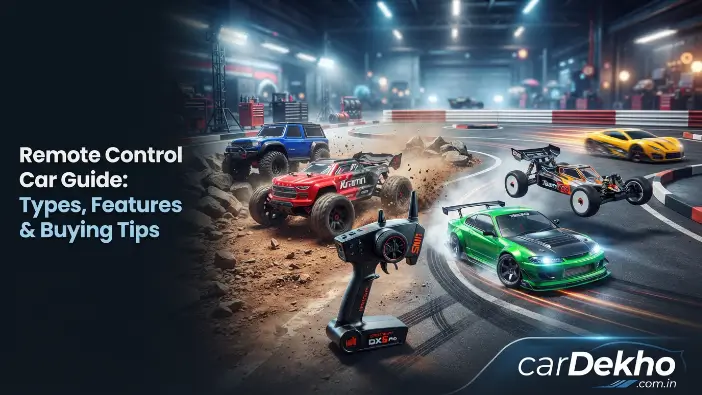
Choosing the best remote control car requires more than simply selecting the fastest or most attractive model. The right choice depends on factors such as the user’s age, driving experience, intended environment, budget, and desired performance level. Whether you are purchasing a first RC car for a child, a beginner-friendly model, or an advanced vehicle for professional use, understanding important features helps you avoid the wrong purchase and enjoy a better driving experience.
A quality remote control car should match your specific needs, whether you want indoor entertainment, outdoor adventures, racing performance, or a long-term hobby. Features such as speed, battery life, control range, durability, and drivetrain type all influence how the vehicle performs. By evaluating these factors carefully, you can find a model that provides better value and longer-lasting enjoyment.
Consider the User’s Age and Experience Level
The user’s age and experience level are important factors when selecting a remote control car because different models are designed for different skill levels. A vehicle that is perfect for an experienced hobbyist may be too complicated for a young child or first-time driver. Choosing an appropriate model ensures better control, safety, and enjoyment.
Many RC cars are designed with specific users in mind, from simple toy models for children to advanced hobby-grade vehicles for adults. Before buying, consider who will use the car and how much control and maintenance they can handle.
Important considerations include:
- Kids: Children usually need simple, durable, and easy-to-control remote control cars with moderate speeds and strong construction. Models with basic controllers, safety-friendly designs, and impact-resistant bodies are ideal for younger users.
- Beginners: New drivers should choose beginner RC cars that offer simple controls, reliable battery performance, and balanced speed. These models help users learn steering, acceleration, and braking without being difficult to manage.
- Teenagers: Teen users often prefer models with more speed, better performance, and outdoor capabilities. A mid-range RC car with improved durability and upgrade options can provide a more exciting experience.
- Adult hobbyists: Experienced users usually prefer hobby grade RC cars with powerful motors, customizable parts, advanced controls, and professional-level performance features.
Selecting the correct remote control car according to experience level prevents frustration and allows users to improve their driving skills over time. Beginners can start with simple models and gradually move toward advanced vehicles as they gain confidence.
Check Speed and Performance
Speed and performance are major factors when choosing a remote control car, especially for users interested in racing or outdoor driving. While higher speed can be exciting, it is not always the best option for every driver. The ideal speed depends on the user’s skill level, driving environment, and purpose of the vehicle.
Performance is influenced by several components, including the motor type, battery power, drivetrain system, and overall vehicle design. Understanding these features helps buyers choose between a casual RC toy car and a high-performance racing model.
Important performance factors include:
- MPH ratings: Speed ratings indicate how fast a remote control car can travel. Beginner models usually have lower speeds for easier control, while advanced fast RC cars can reach much higher speeds for racing and competitive driving.
- Motor types: Brushed motors are affordable and suitable for beginners, while brushless motors provide higher speed, better efficiency, and longer lifespan for experienced users.
- Driving control: A powerful motor is only useful when paired with good handling. Features such as responsive steering, adjustable speed settings, and stable suspension improve overall control.
A balanced remote control car should provide enough power while remaining manageable for the driver. Extremely fast models may require more experience because they can be harder to control and may need more maintenance.
Battery Life and Charging Time
Battery performance directly affects the overall experience of using a remote control car. A powerful vehicle with poor battery life can limit driving enjoyment because users may spend more time charging than operating the car. Choosing the right battery type and understanding runtime expectations are important before purchasing.
Modern electric RC cars use rechargeable batteries that vary in capacity, charging speed, and performance. Higher-quality batteries usually provide longer driving sessions and better power delivery.
Important battery factors include:
- Battery types: Common options include NiMH batteries for beginners, Li-ion batteries for general use, and LiPo batteries for advanced RC cars that require more power and speed.
- Runtime: Battery runtime depends on capacity, motor power, driving style, and terrain. A typical model may run for several minutes to over half an hour depending on its battery setup.
- Spare batteries: Extra batteries allow users to continue driving without waiting for the main battery to recharge, making them useful for long outdoor sessions.
Proper battery care can also improve the lifespan of a remote control car. Users should follow charging instructions, avoid overcharging, and store batteries correctly when the vehicle is not being used.
Range of the Remote Controller
The control range determines how far a user can operate a remote-controlled car from the transmitter. A longer range provides more freedom, especially for outdoor driving, while shorter ranges are usually sufficient for indoor use and basic toy models. Different remote control cars come with different communication systems. Simple models focus on convenience, while advanced hobby RC vehicles use stronger wireless technology for improved distance and reliability.
Important range considerations include:
- Short-range toy models: These are designed for children and casual users. They usually work well indoors, in small rooms, or limited outdoor spaces.
- Long-range hobby models: Professional and advanced RC cars often provide extended control distances, making them suitable for outdoor racing, large areas, and off-road driving.
A suitable controller range depends on where you plan to use the remote control car. For indoor entertainment, a short range is usually enough, but outdoor enthusiasts benefit from models with stronger signal capabilities.
Durability and Build Quality
Durability is an important factor when choosing a remote control car, especially if the vehicle will be used outdoors or by beginners. A well-built model can handle crashes, rough surfaces, and frequent use better than a cheaply constructed alternative. The materials and design quality determine how long an RC car will last. Strong construction reduces repair costs and provides a more enjoyable experience over time.
Important durability features include:
- Materials: High-quality remote control cars often use reinforced plastics, metal components, and stronger chassis designs to improve durability.
- Waterproof features: Waterproof or water-resistant designs protect electronic components from moisture, allowing safer outdoor use in wet conditions.
- Shock resistance: Strong suspension systems, protective bumpers, and impact-resistant frames help the vehicle survive crashes and rough driving.
A durable remote control car is especially valuable for children, beginners, and outdoor drivers because accidents are common during learning. Investing in better build quality often results in a longer-lasting and more reliable vehicle.
Two-Wheel Drive vs Four-Wheel Drive RC Cars
The drivetrain system affects how a remote control car handles different surfaces and driving conditions. The two most common options are two-wheel drive (2WD) and four-wheel drive (4WD). Each system has advantages depending on the user’s experience level, terrain, and performance requirements.
Two-wheel drive models are generally simpler and more affordable, making them suitable for beginners. Four-wheel drive systems provide better traction and control, especially for off-road RC cars and challenging environments.
| Feature | 2WD RC Car | 4WD RC Car |
| Control | Easier | More advanced |
| Terrain | Flat surfaces | Rough terrain |
| Price | Lower | Higher |
A 2WD remote control car is a good choice for casual users who drive mainly on smooth surfaces such as floors, pavement, or simple tracks. These models are easier to maintain and usually cost less.
A 4WD remote control car provides better performance because power is delivered to all four wheels. This makes it ideal for outdoor driving, dirt tracks, grass, and uneven terrain where additional traction is needed. Although 4WD models are more expensive, they offer better control and versatility for serious users.
Best Remote Control Car Features to Look For
Choosing the right remote control car requires looking beyond design and appearance. The best models include features that improve performance, reliability, and the overall driving experience. Factors such as battery quality, protection from weather, suspension performance, and access to replacement components can determine how enjoyable and long-lasting the vehicle will be. Whether you are buying a beginner model or a more advanced hobby-grade RC car, understanding these features helps you select a vehicle that matches your needs and provides better value.
Rechargeable Batteries
Rechargeable batteries are one of the most important features of a modern remote control car because they directly affect driving time, speed, and overall performance. Unlike models that use disposable batteries, rechargeable systems provide better convenience and allow users to enjoy multiple driving sessions without constantly purchasing new batteries. Most electric RC cars use rechargeable battery packs that deliver consistent power to the motor and electronic components.
Battery technology has improved significantly, allowing newer remote control cars to offer longer runtime and faster charging options. Advanced models often use lithium-based batteries because they provide better energy efficiency, lighter weight, and stronger power output compared with traditional battery types. Choosing a model with a reliable battery system ensures smoother performance and a more enjoyable driving experience.
Waterproof Design
A waterproof design is an important feature for users who want to drive their remote control car outdoors in different conditions. Moisture, wet grass, puddles, and muddy surfaces can damage sensitive electronic parts if the vehicle does not have proper protection. Models with water-resistant or waterproof components provide better durability and allow drivers to explore more environments without worrying about minor exposure to water.
Many off-road RC cars are built with sealed electronic systems, protected battery compartments, and covered receivers to improve resistance against moisture. However, users should always check the manufacturer’s waterproof rating because some vehicles are designed only for light water exposure, while others can handle more demanding outdoor conditions.
Adjustable Suspension
Adjustable suspension improves the handling and stability of a remote control car, especially when driving on uneven surfaces or challenging terrain. The suspension system absorbs shocks from bumps, jumps, and rough ground while helping the vehicle maintain better contact with the surface. This feature is especially useful for users who want improved control and a more realistic driving experience.
Advanced hobby-grade RC cars often include adjustable suspension because experienced drivers like to customize their vehicles for different conditions. By changing suspension settings, users can improve cornering, stability, and off-road performance. A well-designed suspension system not only enhances driving quality but also helps protect internal components from excessive impact.
Replacement Parts Availability
Replacement parts availability is an important consideration when purchasing a remote control car, especially for users who plan to drive frequently. Even durable models can experience damage over time due to crashes, rough terrain, or regular wear. A vehicle with easily available spare parts is easier to repair and maintain, which can significantly extend its usable life.
Many professional RC cars are designed with replaceable components, allowing owners to upgrade or repair individual parts instead of replacing the entire vehicle. Access to items such as tires, batteries, motors, suspension parts, and body components makes ownership more affordable and practical. Choosing a remote control car from a brand with good parts support ensures that your investment remains useful for years.
Remote Control Cars for Different Users
The best remote control car depends greatly on who will be using it and what type of experience they expect. A model designed for a child may focus on safety, simplicity, and durability, while a beginner may need an easy-to-control vehicle that helps develop driving skills. On the other hand, experienced users often look for advanced features, higher speeds, and customization options. Understanding the needs of different users makes it easier to choose the right RC car that provides maximum enjoyment and long-term value.
Best RC Cars for Kids
The best remote control car for kids should be simple to operate, durable enough to handle accidents, and designed with safe performance levels. Children are usually learning basic driving skills, so a model with easy controls, moderate speed, and strong construction is often the best choice. Remote control toy cars made for younger users typically focus on fun, reliability, and simple operation rather than advanced performance.
When choosing an RC car for children, durability is one of the most important factors because crashes and rough handling are common during learning. Models with protective bumpers, lightweight designs, and rechargeable batteries can provide a better experience. Parents should also consider the child’s age and ability level to ensure the vehicle is challenging enough to be enjoyable but not too difficult to control.
Best RC Cars for Beginners
A beginner-friendly remote control car should provide a balance between performance, ease of use, and affordability. New drivers need a vehicle that allows them to learn essential skills such as steering, acceleration, braking, and handling without becoming frustrated. Beginner RC cars are usually designed with simple controls, stable handling, and reliable construction to help users gain confidence.
For first-time users, choosing the right type of RC car is more important than choosing the fastest model available. A moderate-speed electric model with good battery life and durable components is often the ideal starting point. Features such as easy maintenance, affordable replacement parts, and responsive controls make beginner models more practical for people who are new to the hobby.
RC Cars for Adults and Hobbyists
For adults and experienced enthusiasts, a remote control car can become more than a casual toy; it can be a serious hobby involving racing, customization, and technical improvements. Adult users often prefer hobby-grade RC cars because they offer stronger performance, realistic designs, and advanced features such as brushless motors, adjustable suspension, and upgrade options.
Advanced RC cars provide a more immersive driving experience through higher speeds, better handling, and customizable components. Hobbyists may modify motors, tires, batteries, and electronic systems to improve performance or create a personalized vehicle. Whether used for racing, off-road adventures, or collecting, professional-grade models offer the durability and flexibility that experienced users expect.
How to Maintain a Remote Control Car
Proper maintenance helps extend the lifespan and performance of a remote control car. Regular cleaning, battery care, and component checks prevent damage, improve efficiency, and keep your RC car running smoothly. Whether you use a beginner model or an advanced hobby vehicle, simple maintenance habits can reduce repair costs and improve the overall driving experience. Taking care of your remote control car ensures better speed, control, and reliability during every driving session.
Maintain a Remote Control Car
- Clean your remote control car after every use to remove dirt, dust, and debris that can affect performance and durability.
- Charge batteries properly using the recommended charger to maintain power efficiency, improve battery lifespan, and ensure consistent driving performance.
- Avoid overcharging rechargeable batteries because excessive charging can reduce battery capacity, damage performance, and shorten the overall battery life.
- Store batteries in a cool, dry location away from direct sunlight, heat, and moisture to maintain their quality and safety.
- Check tires regularly for cracks, damage, or reduced grip to maintain better traction and improve your RC car’s handling.
- Tighten loose screws and connections frequently because vibrations during driving can weaken parts and affect your vehicle’s overall stability.
- Lubricate moving components carefully to reduce friction, improve movement, and maintain smooth operation of gears, axles, and suspension parts.
- Inspect the motor regularly for unusual sounds, overheating, or reduced performance to prevent serious mechanical problems and costly repairs.
- Replace damaged components quickly to prevent further issues and keep your remote control car operating safely and efficiently.
- Protect electronic components from excessive water, dust, and moisture to prevent damage and extend the vehicle’s operating lifespan.
Common Remote Control Car Problems and Solutions
A remote control car can provide hours of entertainment, but like any electronic device, it may develop problems during regular use. Issues such as movement failure, connection problems, and reduced battery performance are common among both beginner and advanced RC cars. Understanding these problems and their solutions helps users troubleshoot quickly, avoid unnecessary repairs, and maintain better performance from their vehicles.
RC Car Not Moving
If your remote control car is not moving, the problem may be caused by several factors, including battery issues, motor problems, loose connections, or controller errors. Before replacing parts, check whether the battery is fully charged and the power switch is working correctly. Sometimes simple issues such as a disconnected wire or blocked wheels can prevent the vehicle from operating.
Solution:
Check the battery level and recharge or replace it if necessary. Inspect the wheels, motor connections, and wiring for damage or loose parts. If the motor is not responding, professional repair or replacement of damaged components may be required.
Remote Control Not Responding
When the controller fails to operate the remote control car, the issue is usually related to the transmitter, receiver, or signal connection. Weak remote batteries, incorrect pairing, or interference from other wireless devices can prevent proper communication between the controller and the vehicle. This problem is common in both toy RC cars and advanced hobby models.
Solution:
Replace the batteries in the remote controller and ensure they are installed correctly. If the problem continues, re-pair the transmitter with the receiver according to the manufacturer’s instructions. Keeping the controller and receiver clean and properly maintained can also improve signal reliability.
Short Battery Runtime
A short battery runtime is a common problem that reduces the enjoyment of using an remote control car. If the vehicle stops working quickly after charging, the battery may have lost capacity due to age, improper charging habits, or frequent overuse. Battery performance is especially important in electric RC cars because it directly affects speed, power, and driving time.
Solution:
Replace an old or damaged battery with a compatible new one to restore performance. Follow proper charging habits by using the correct charger, avoiding overcharging, and storing the battery in a suitable environment. Maintaining the battery properly helps increase runtime and extends the life of your remote control car.
Remote Control Car Buying Mistakes to Avoid
Buying the right remote control car requires careful consideration of performance, durability, intended use, and user experience. Many buyers make mistakes by focusing on only one feature while ignoring other important factors that affect long-term satisfaction. Understanding common buying mistakes can help you choose a suitable RC car that matches your needs, budget, and driving environment.
- Buying based only on speed: Choosing a remote control car only for speed can cause poor handling, difficult control, and reduced overall driving enjoyment.
- Ignoring replacement parts: Purchasing a model without available spare parts can create repair problems, increase costs, and shorten your RC car’s useful life.
- Choosing the wrong terrain type: Selecting an unsuitable vehicle for your environment can reduce performance, damage components, and limit your remote control car experience.
- Selecting an unsuitable skill level: Buying a model beyond your abilities can make driving frustrating, while simple models may disappoint experienced RC car users.
Frequently Asked Questions
What is the best remote control car for beginners?
The best remote control car for beginners offers simple controls, durable construction, moderate speed, and easy maintenance for learning.
How fast can a remote control car go?
A remote control car can reach different speeds depending on motor power, battery type, design, and whether it is built for racing.
Are remote control cars suitable for adults?
Yes, adults enjoy remote control cars for advanced driving, customization, racing competitions, and exploring hobby-grade RC car technology.
How long does an RC car battery last?
An RC car battery usually lasts several minutes depending on capacity, driving style, terrain conditions, and battery quality.
Can remote control cars be used outdoors?
Yes, many remote control cars are suitable for outdoor use, especially off-road RC cars designed for rough surfaces.
Conclusion
Choosing the right remote control car depends on understanding your needs, experience level, and preferred driving environment. Whether you want a simple model for kids, a beginner-friendly vehicle, or an advanced hobby-grade RC car, important factors such as speed, battery life, durability, and available features should guide your decision. A well-selected remote control car provides better performance, longer-lasting enjoyment, and a more satisfying driving experience.
Before making a purchase, consider where you will use the vehicle, how often you will drive it, and what level of performance you expect. By avoiding common mistakes and focusing on quality features, you can choose an RC car that matches your requirements and delivers fun, reliability, and value for years.
