


Welcome to CarDekho. Buying a car through an online auction can be a practical alternative to purchasing one from a traditional used-car dealer. When people search for an Eauction India Car, they are usually looking for vehicles listed by government departments, banks, financial institutions, or other authorized organizations. These auctions allow eligible buyers to participate in an online bidding process and potentially purchase a used vehicle at a competitive price.
However, buying an auction car requires careful research and preparation. A low starting price does not always mean the car will be a good deal. Before bidding, buyers should carefully read the auction notice, understand the registration process and EMD (Earnest Money Deposit) requirements, inspect the vehicle when possible, and verify important documents. It is also important to check payment deadlines, possible repair costs, and the ownership-transfer procedure so there are no unexpected problems after winning the auction.
What Is an Eauction India Car?
An Eauction India Car is a vehicle sold through an online auction where eligible buyers can place bids instead of buying from a traditional dealer. Listings usually include the car’s details, reserve price, auction date, location, inspection information, and bidding rules. Government departments, banks, and financial institutions may offer vehicles through different auction platforms. Before bidding, buyers should check the official auction notice for EMD, registration requirements, payment deadlines, inspection rules, documents, and ownership-transfer procedures.
How Car eAuctions Work
The car e-auction process usually starts when an organization lists a vehicle on an authorized online auction platform with information about the car, reserve price, location, inspection arrangements, auction schedule, and terms of sale. Interested buyers first register as bidders and complete the required verification or KYC process. Some auctions also require bidders to pay an EMD before they become eligible to participate. Once registration and other requirements are completed, bidders can enter the auction and place bids according to the platform’s rules and minimum bid increments.
As the auction continues, participants can increase their bids until the closing time or according to applicable extension rules. Buyers should decide their maximum budget before bidding because continuously increasing the bid can make the vehicle less financially attractive. When the auction closes, the highest eligible bidder may be declared successful, subject to the auction authority’s terms. The successful bidder then needs to complete the remaining payment, submit the required documents, collect the vehicle according to the instructions, and complete the applicable ownership-transfer process.
Types of Cars Available Through Auctions
The types of cars available through online auctions depend on the organization conducting the sale. Common options can include bank-repossessed cars, government or departmental vehicles, company or institutional vehicles, and other used vehicles offered through authorized auction platforms. Bank-repossessed cars may be auctioned after a financial institution recovers a vehicle because of unpaid loan obligations, while government or institutional vehicles may be sold after completing their service period or becoming surplus to requirements.
Always check the individual auction notice rather than assuming that every auction follows the same rules. The official notice should be treated as the main source for information about the vehicle, reserve price, EMD, inspection schedule, payment deadlines, documents, and transfer requirements. Before placing a bid on an Eauction India Car, buyers should compare the expected total cost with their budget and the market value of similar used cars.
How to Find an Eauction India Car
Finding a suitable auction vehicle requires more than simply searching for the lowest price. When looking for an Eauction India Car, buyers should first identify a legitimate auction platform and verify the government department, bank, financial institution, or authorized organization conducting the sale. Official auction notices are important because they contain the specific conditions for each veAuction India, including the reserve price, auction date, inspection details, EMD requirements, payment rules, and available documents. Buyers should also confirm the seller’s information before sharing personal details or making any payment. If a listing does not clearly identify the auction authority or provides incomplete information, it is better to verify it through an official source before proceeding.
Where to Find Car Auction Listings
Government vehicle auctions can be found through official government e-auction services, while banks and financial institutions may publish auction notices on their official websites or through authorized auction agencies. Buyers searching for an e-auction India car should use these reliable sources to find genuine listings and review the specific requirements of each auction. The official auction notice should always be checked because eligibility rules, registration procedures, EMD amounts, inspection arrangements, and payment deadlines can differ between auctions.
For bank-repossessed vehicles, buyers should confirm that the auction is genuinely connected with the relevant bank, financial institution, or its authorized auction service. Avoid relying only on social-media posts, forwarded messages, or unofficial advertisements because the information may be outdated or misleading. Before paying an EMD or any other amount, verify the auction details and payment instructions through the official source to reduce the risk of fraud or unnecessary financial problems.
What to Check in a Car Auction Listing
Before registering or placing a bid, carefully review the complete auction listing and official notice. The most important details include:
- Car make and model: Confirm exactly which vehicle is being sold.
- Registration information: Check the available vehicle and registration details.
- Auction date and time: Note the bidding schedule and closing time.
- Reserve price: Understand the minimum price set for the vehicle.
- EMD amount: Check the required deposit and payment deadline.
- Vehicle location: Confirm where the car is available for inspection or collection.
- Inspection date and time: Use the inspection opportunity whenever possible.
- Auction terms: Read the bidding rules and conditions.
- Vehicle documents: Check the documents provided with the car.
- Payment deadline: Know when the winning bidder must make payment.
- Collection requirements: Understand when and how the vehicle can be collected.
Checking these details before bidding helps buyers understand the complete requirements and potential costs of an Eauction India Car. It also reduces the chances of facing unexpected expenses, missed deadlines, documentation issues, or eligibility problems after winning the auction.
Read Also: Beamer Car Price in Pakistan: Models & Specs Guide
How to Buy a Car Through eAuction India
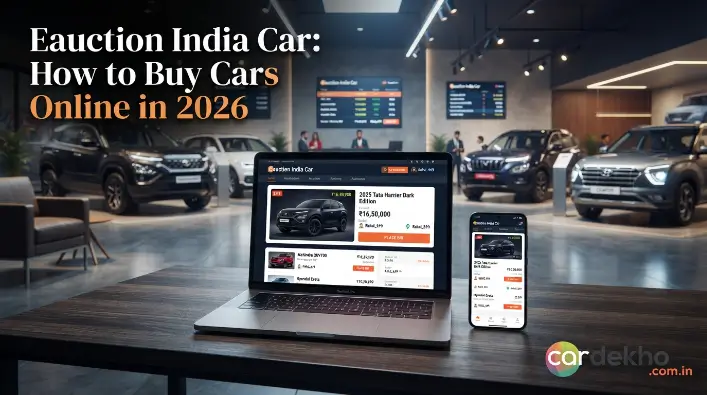
Buying a car through an Eauction India Car platform should be done step by step because the lowest auction price does not always mean the best deal. Buyers need to consider the vehicle’s condition, documents, repair requirements, applicable fees, transportation, and ownership-transfer costs before placing a bid. A proper buying process helps you understand the auction terms, inspect the vehicle, set a realistic budget, and avoid unexpected expenses after winning the auction.
Step 1: Choose the Right Car and Read the Auction Notice
Choose a vehicle that matches your budget and requirements, then read the complete auction notice instead of relying only on the short listing description. Check the car’s model, condition, location, reserve price, inspection details, EMD, auction schedule, payment requirements, and any special conditions before deciding to bid.
If the notice states that the vehicle is sold on an “as is where is” basis, understand the meaning before participating. Such conditions can place more responsibility on the buyer for the vehicle’s existing condition, so reading the terms carefully can help you avoid unexpected problems after purchase.
Step 2: Register and Complete the Required Verification
After selecting an auction, follow the platform’s registration procedure and provide the required identification, contact information, KYC documents, or other details. Make sure the information is accurate and complete the verification process before the deadline given in the auction notice.
Registration on one platform does not necessarily make you eligible for every auction. Each auction can have different bidder requirements, verification procedures, deadlines, and conditions, so always check the specific auction rules before participating.
Step 3: Pay the EMD
EMD (Earnest Money Deposit) is an amount that may be required before a bidder can participate in an auction. The EMD amount, payment method, deadline, refund rules, and treatment after winning can vary according to the auction’s terms.
Always check the official auction notice before making the payment and use only the authorized payment method provided by the auction platform or organization. Never send an EMD to an unofficial personal account simply because someone claims that payment is required.
Step 4: Inspect the Vehicle Before Bidding
Vehicle inspection is an important part of buying an auction India car because photos and basic listings may not reveal every problem. If physical inspection is available, check the exterior, interior, tyres, lights, glass, visible damage, and other accessible parts before bidding.
Where permitted, also review the engine and mechanical condition and compare the vehicle identification and registration details with the auction documents. If you are not confident about inspecting a car yourself, consider taking a qualified mechanic or knowledgeable person where the auction rules allow it.
Step 5: Place Your Bid
Before bidding starts, decide your maximum budget by considering the auction price along with possible repairs, transportation, insurance, registration or transfer expenses, and applicable fees. Having a fixed limit can help you avoid paying more than the vehicle is worth to you.
During bidding, prices can rise quickly when several buyers are interested. Do not increase your offer simply because another bidder has bid higher. If the price goes beyond your predetermined limit, stopping the bid can be a better financial decision than continuing emotionally.
Step 6: Complete Payment and Ownership Transfer
Winning the auction does not always mean you can immediately collect or use the vehicle. The successful bidder must follow the auction authority’s instructions for completing the remaining payment, submitting documents, receiving sale paperwork, arranging collection, and completing the applicable ownership-transfer process.
Keep copies of payment receipts, auction confirmation, sale documents, and other important paperwork. Before taking possession, confirm which documents have been provided and whether any additional registration or transfer steps are required. Completing these formalities correctly is an important final step when purchasing an e-auction India car.
Documents and Costs to Check Before Buying an Auction Car
Before buying an e-auction India car, checking the documents and calculating the complete cost is essential because the winning bid is not always the final amount you will spend. An auction car may require repairs, transportation, insurance, ownership-transfer charges, applicable taxes, or other fees after purchase. Buyers should therefore review the vehicle paperwork and estimate all possible expenses before bidding. This helps determine whether the car actually fits the budget and provides better value than similar used cars available through the regular market.
Important Documents to Verify
Before placing a bid, check the important vehicle documents and information provided by the auction authority. These may include the Registration Certificate (RC), insurance details, vehicle identification information, sale certificate or auction documents, pending challans, hypothecation or loan information, pollution or fitness documents where applicable, and ownership-transfer paperwork. These details can help you understand the vehicle’s registration status and identify potential responsibilities before purchasing it.
The exact documents available can differ between auctions, so buyers should not assume that every Indian car comes with the same paperwork. If any document is missing, unclear, or incomplete, ask the auction authority who is responsible for providing or arranging it after the sale. Confirming these details before bidding can help prevent transfer delays, unexpected charges, and documentation problems later.
Calculate the Total Cost
To understand the actual purchase cost, consider all major expenses rather than focusing only on the winning bid. A simple calculation is Final Bid + Applicable Fees/Taxes + Repairs + Insurance + Transfer Costs + Transportation + Other Expenses. For example, a car with a low winning bid may require significant repairs or transportation expenses, while a slightly more expensive vehicle could provide better value if it is in better condition and needs fewer additional costs.
The goal should be to calculate the total ownership cost before deciding how much to bid. Compare the estimated final cost of the Eauction India Car with similar used cars in the market, including their condition and documentation. This approach helps you set a realistic maximum bid and avoid purchasing a vehicle that initially looks cheap but becomes expensive after all additional costs are included.
Common Eauction India Car Mistakes and How to Avoid Them
Buying an Eauction India Car can be a useful way to find a vehicle through online bidding, but poor research can turn a promising deal into an expensive purchase. Buyers often focus on the bidding price and overlook the car’s condition, documents, additional expenses, and important deadlines. Understanding these common mistakes before participating in an auction can help you evaluate the vehicle more carefully, control your budget, and avoid unnecessary problems after winning the bid.
Bidding Without Inspecting the Car
Bidding without inspecting the vehicle is one of the most common mistakes when purchasing an Eauction India Car. Online photographs and short descriptions may not reveal mechanical problems, accident damage, interior wear, tyre condition, or other issues that could require expensive repairs after purchase.
Solution: Use the permitted inspection period to check the vehicle carefully, including its exterior, interior, tyres, lights, glass, and accessible mechanical components. Where allowed, take a qualified mechanic or knowledgeable person to help identify potential problems before you place your bid.
Focusing Only on the Reserve Price
A low reserve price does not automatically mean the vehicle will remain inexpensive. Competition from other bidders can increase the final price, while repairs, insurance, transportation, applicable fees, and ownership-transfer costs can further increase the total cost of an e-auction India car.
Solution: Set a maximum budget before the auction begins and include the expected winning bid, repairs, insurance, transportation, transfer charges, and other expenses. If the total cost goes beyond your limit, it is better to stop bidding than to overpay.
Ignoring Documents and Outstanding Dues
Vehicle documents are just as important as the car’s physical condition. Issues involving the Registration Certificate, insurance, pending challans, hypothecation, loan-related information, or ownership transfer can create problems after purchase. Buyers should understand what documents are available and which responsibilities will become theirs after winning.
Solution: Review the available documents carefully and clarify missing information or outstanding responsibilities with the auction authority before bidding. Confirm the transfer requirements and any applicable dues so you can avoid unexpected costs and delays later.
Bidding Emotionally
The excitement of competing against other bidders can cause buyers to increase their offers beyond their original budget. Winning an auction is not necessarily a good deal if the final price becomes too high compared with the vehicle’s condition, market value, and expected repair costs.
Solution: Decide your maximum bid before the auction starts and stick to it. Consider the car’s condition, market value, repair requirements, and total ownership cost when setting your limit. If another bidder pushes the price above your limit, walk away rather than continuing emotionally.
Missing Payment or Registration Deadlines
After winning an auction for a car, buyers may have specific deadlines for completing payment, submitting documents, collecting the vehicle, or completing other formalities. Missing these deadlines can create unnecessary complications and may have consequences under the specific auction terms.
Solution: Note every important deadline from the official auction notice and keep records of payments and submitted documents. Complete each requirement on time and follow the auction authority’s instructions carefully to ensure a smoother post-auction process.
Is Buying an Eauction India Car Worth It?
Buying an Eauction India Car can be a good option when the buyer carefully checks the vehicle and understands all auction conditions before bidding. The decision should not be based only on the low starting price; factors such as mileage, condition, documents, repair costs, insurance, transportation, and ownership-transfer expenses should also be considered. Before placing a bid, compare the estimated total cost with similar used cars in the market. If the auction vehicle remains affordable and offers good value after including all additional expenses, it can be a practical choice for buyers.
Advantages of Buying Through an E-Auction
An e-auction India car can offer several benefits when buyers choose genuine listings and conduct proper research. Some auction vehicles may be available at competitive prices, while different auctions can provide access to a wide range of makes, models, and vehicle categories. The online process can also make registration and bidding more convenient for eligible buyers compared with visiting multiple traditional dealerships.
- Competitive pricing: Some vehicles may have attractive auction prices.
- Large selection: Auctions can offer different makes, models, and vehicle types.
- Online convenience: Registration and bidding can often be completed online.
- Repossessed vehicles: Banks may auction recovered vehicles.
- Structured process: Authorized auctions generally provide defined rules and schedules.
Risks to Consider
Buying an Eauction India Car also comes with risks that should be evaluated before bidding. Some vehicles may have mechanical or cosmetic issues that are not obvious in photographs, and inspection opportunities can vary between auctions. Buyers may also face additional repair, insurance, transportation, and ownership-transfer expenses after winning, while competitive bidding can push the final price higher than expected.
- Mechanical condition: Some vehicles may require major repairs.
- Limited inspection: Inspection facilities can vary between auctions.
- Extra costs: Repairs, insurance, transport, and transfer charges can increase expenses.
- Document issues: Buyers must verify available paperwork and responsibilities.
- Higher final bid: Competition can push the price above the expected budget.
Overall, an Eauction India Car can be a good choice when the vehicle is properly inspected, the documents are clear, and the complete ownership cost fits your budget. The most important factor is not simply finding a low auction price but determining whether the vehicle provides genuine value after considering all costs and risks.
Frequently asked questions
What is an Eauction India Car?
An eAuction India vehicle is offered through an electronic bidding process in India. Depending on the auction, the vehicle may come from a government department, bank, financial institution, company, or another authorized organization.
How can I buy a car through an online auction in India?
First, find a legitimate auction listing and read its complete terms. Register as a bidder, complete the required verification, pay the EMD if applicable, inspect the vehicle where permitted, and participate in the auction. If you win, complete the required payment and documentation before taking possession and transferring ownership.
What is EMD in a car auction?
EMD stands for Earnest Money Deposit. It is an amount that may be required from bidders before they can participate in an auction. The amount, payment deadline, refund rules, and other conditions depend on the specific auction.
Can individuals buy cars through bank e-auctions?
Individuals may be able to participate in some bank vehicle auctions, provided they meet the eligibility and registration requirements specified by the particular auction. Buyers should always check the official auction notice for the exact conditions.
What should I check before bidding on an auction car?
Check the vehicle’s condition, RC and other available documents, insurance information, pending dues or challans where applicable, auction terms, reserve price, EMD, inspection details, payment deadlines, and expected repair and transfer costs.
Conclusion
Buying an Eauction India Car can be a practical way to find a used vehicle through an online bidding process, but the best results come from careful research rather than simply chasing a low auction price. Before bidding, buyers should verify the auction authority, read the complete auction notice, check the vehicle’s condition and documents, understand the EMD and payment requirements, and calculate possible repair, insurance, transportation, and ownership-transfer costs.
A successful auction purchase is about getting good overall value, not just winning the bid. Compare the expected total cost with similar cars available in the used-car market and set a maximum budget before the auction begins. By inspecting the vehicle where possible, checking all important paperwork, avoiding emotional bidding, and following the required deadlines, buyers can make a more informed decision and reduce the risks associated with an Indian car auction.
