


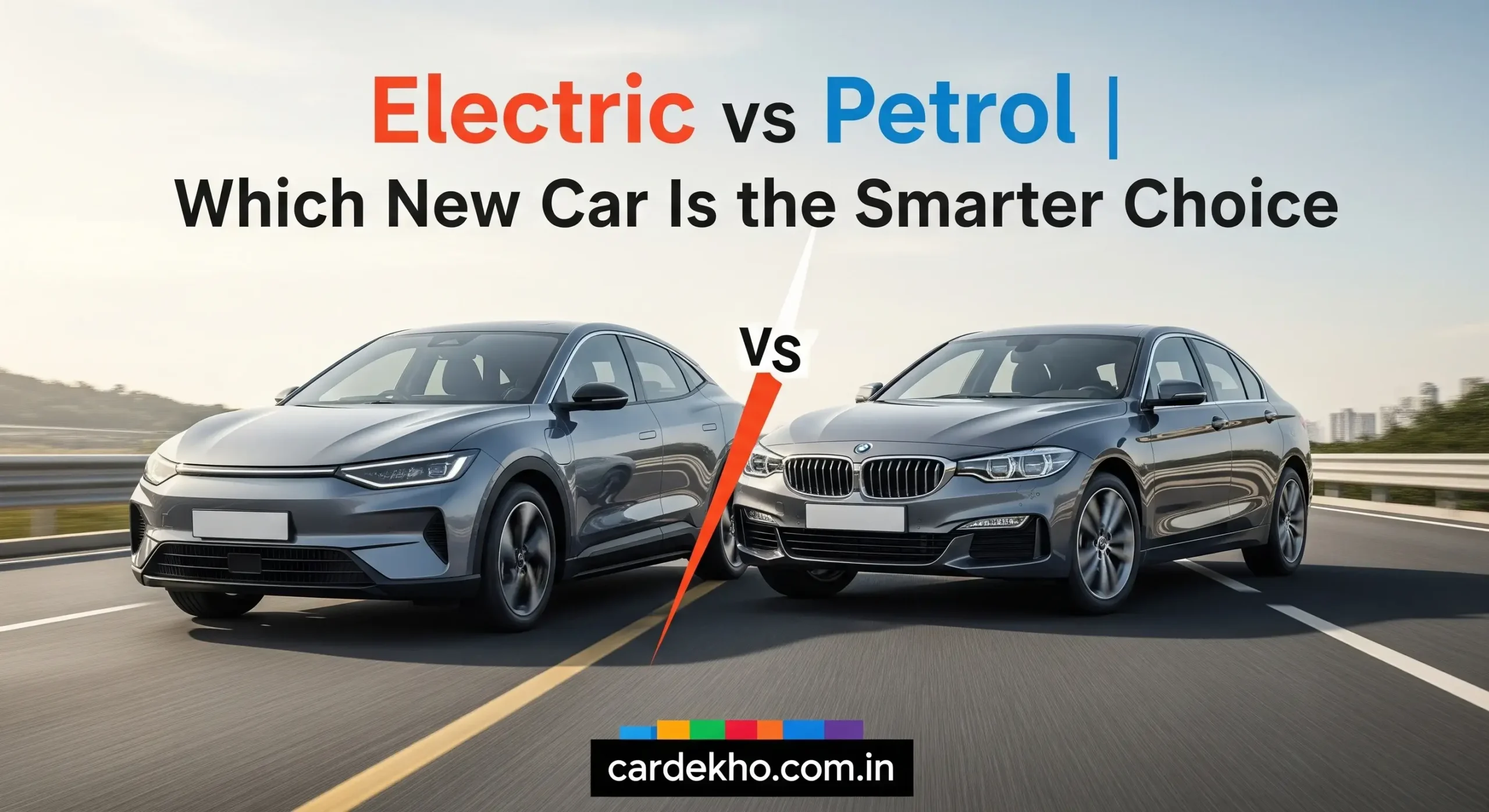
The automotive industry is undergoing a significant transformation as buyers increasingly evaluate the benefits of different types of vehicles. One of the most critical decisions in 2025 revolves around choosing between traditional petrol cars and modern electric vehicles. With rising fuel prices, environmental concerns, and advancements in technology, the debate over electric vs petrol which new car is the smarter choice has become more relevant than ever. Consumers are no longer solely focused on initial purchase price; factors such as running costs, performance, maintenance, and environmental impact play a central role in decision-making.
Understanding the advantages and limitations of both petrol and electric vehicles is crucial for making an informed choice. Electric cars offer lower running costs, zero tailpipe emissions, and a smooth, quiet driving experience, making them attractive to environmentally conscious buyers and city commuters. On the other hand, petrol cars remain popular for their affordability, long-range capability, and widespread service infrastructure. Evaluating these aspects, alongside factors such as government incentives, battery technology, and urban charging infrastructure, helps prospective buyers determine which vehicle aligns best with their lifestyle, commuting needs, and long-term investment plans.
The decision between electric vs petrol which new car is the smarter choice also depends on future trends and personal priorities. As battery technology improves and charging networks expand, electric cars are becoming increasingly practical for both city and long-distance driving. Simultaneously, petrol cars continue to evolve with more efficient engines, hybrid variants, and innovative features. This guide will explore all critical factors, compare key benefits, and provide insights to help readers decide whether an electric or petrol car is the smarter choice for 2025. By understanding both options thoroughly, buyers can make a confident and value-driven decision that balances cost, convenience, and sustainability.
Factors to Consider Before Choosing a New Car
Budget and Price Range
When deciding between an electric or petrol vehicle, setting a clear budget is the first step. Electric cars often have a higher upfront cost compared to petrol models, but government incentives and subsidies can offset some of these expenses. Understanding your total budget, including registration, insurance, and optional accessories, ensures you select a car that fits your financial plan.
Evaluating financing options like car loans or EMIs can make higher-end variants more accessible. Comparing the cost of different models within your budget allows you to balance features, performance, and affordability. A well-defined budget also helps prioritise which aspects, such as technology, safety, or efficiency, are most important in your new car purchase.
Daily Usage and Mileage Needs
Your driving habits play a major role in choosing between an electric or petrol car. For urban commuters with short daily trips, electric vehicles are ideal due to lower running costs and zero tailpipe emissions. Petrol cars, however, are often more suitable for long-distance travel, offering convenience and quicker refuelling.
Understanding your average mileage needs also helps determine which vehicle provides the most cost-effective solution. High-mileage drivers might find petrol cars or hybrid models more practical, while city drivers can benefit from the energy efficiency and reduced maintenance of electric vehicles. Matching the car to your usage ensures optimal performance and satisfaction.
Maintenance and Long-Term Costs
Maintenance costs differ significantly between electric and petrol cars. Electric vehicles generally have fewer moving parts, which reduces servicing frequency and long-term maintenance expenses. However, battery replacement costs and potential software updates should be considered when planning for long-term ownership.
Petrol cars, while familiar and widely serviceable, require regular engine servicing, oil changes, and periodic replacements of parts like spark plugs and filters. Evaluating total ownership costs, including fuel, electricity, and servicing, helps buyers understand the long-term financial impact of their choice and ensures the new car remains affordable over its lifecycle.
Environmental Impact
Environmental considerations are increasingly influencing car purchases. Electric vehicles produce zero tailpipe emissions, making them a sustainable choice for reducing pollution and carbon footprint. Choosing an EV contributes to cleaner air and aligns with global sustainability initiatives.
Petrol cars, while improving in fuel efficiency, still emit greenhouse gases and other pollutants. Buyers concerned about their environmental impact may prefer electric options or hybrids. Understanding the ecological implications of each choice ensures your new car aligns with both personal and societal values.
Availability of Charging Infrastructure vs Fuel Stations
A key practical factor in choosing a car is accessibility to refuelling or charging. Petrol cars benefit from an extensive network of fuel stations, making long-distance travel refuelling highly convenient.
Electric vehicles depend on charging infrastructure, which is expanding but still limited in some areas. Urban centres tend to have more charging points, while rural locations may pose challenges. Considering local infrastructure helps ensure that your new car is convenient and practical for daily use and travel.
Advantages of Electric Cars
One of the most significant advantages of choosing electric cars over petrol vehicles is the lower running cost. Electricity is generally cheaper than petrol, which reduces the overall expense of daily commuting. Additionally, electric motors are more energy-efficient than internal combustion engines, meaning less energy is wasted and more power is delivered to the wheels. Over time, this translates into substantial savings, especially for city commuters who cover short to medium distances regularly. For many buyers evaluating electric vs petrol: which new car is the smarter choice, these cost benefits can be a decisive factor.
Another major advantage of electric cars is their eco-friendly nature. They produce zero tailpipe emissions, significantly reducing the carbon footprint compared to petrol vehicles. This makes them ideal for environmentally conscious buyers looking to contribute to cleaner air and sustainable transportation. Furthermore, governments around the world are offering incentives such as tax rebates, lower registration fees, and subsidies to encourage electric vehicle adoption. These benefits enhance the appeal of EVs for buyers who want a practical and responsible choice in the electric vs petrol: which new car is the smarter choice debate.
Beyond cost and environmental benefits, electric cars offer a smooth and quiet driving experience. Electric motors provide instant torque, delivering quick acceleration without the noise and vibrations typical of petrol engines. This ensures a more comfortable and enjoyable ride for both city traffic and highway driving. Modern electric cars also include advanced technology features, such as regenerative braking, smart infotainment, and driver-assistance systems, further enhancing convenience and safety. These combined advantages make electric cars a compelling option for buyers considering electric vs petrol: which new car is the smarter choice in 2025?
Advantages of Petrol Cars
One of the key advantages of petrol cars is their lower initial purchase price compared to electric vehicles. Buyers looking for a more affordable entry into the car market can benefit from a wide range of petrol models that fit various budgets. For many considering electric vs petrol: which new car is the smarter choice, the cost factor often makes petrol cars more accessible, especially for first-time buyers or those seeking a high-value option without relying on government incentives or subsidies.
Another benefit of petrol cars is their long-range capability and convenience. Petrol vehicles can be refuelled quickly at widely available fuel stations, making them ideal for long-distance travel or areas where electric vehicle charging infrastructure is limited. This accessibility ensures that drivers do not have to plan routes around charging stations, which can be a concern for electric car owners. For buyers evaluating electric vs petrol: which new car is the smarter choice? Familiarity and ease of refuelling make petrol cars a practical option for both urban and rural driving.
Lastly, petrol cars offer well-established maintenance networks and proven reliability. Servicing stations, spare parts availability, and experienced mechanics are widespread, making repairs and regular maintenance easier and faster. Petrol vehicles also have a strong resale market, which adds to their long-term value. With familiar technology, predictable performance, and extensive support infrastructure, petrol cars remain a strong contender for buyers deciding electric vs petrol: which new car is the smarter choice, providing convenience, confidence, and a reliable driving experience.
Emerging Trends in Electric and Petrol Cars
The automotive industry is rapidly evolving, and the electric vs petrol: which new car is the smarter choice debate is heavily influenced by emerging trends. One of the most notable developments is the growing adoption of electric vehicles. Advances in battery technology have significantly increased driving range and reduced charging times, making EVs more practical for daily commuting and longer trips. Manufacturers are also introducing more affordable electric models, supported by government incentives, which encourage wider adoption. This trend positions electric cars as a viable alternative to petrol vehicles in 2025 and beyond.
On the petrol side, innovation is continuing as well. Modern petrol cars are becoming increasingly fuel-efficient thanks to turbocharged engines, lightweight materials, and hybrid integration. Manufacturers are also incorporating advanced safety systems, improved infotainment, and connected technologies into petrol models, ensuring that these vehicles remain competitive in the market. For buyers weighing electric vs petrol: which new car is the smarter choice? These enhancements in petrol vehicles make them more appealing, offering a balance of performance, convenience, and traditional reliability.
Both electric and petrol cars are now integrating smart features that improve convenience, safety, and driving experience. From advanced driver-assistance systems to connectivity features and AI-assisted navigation, these innovations are becoming common across both segments. Additionally, eco-conscious design choices, such as lightweight materials and aerodynamic improvements, are influencing both EVs and petrol cars. Understanding these emerging trends helps buyers make an informed choice in the electric vs petrol: which new car is the smarter choice discussion, ensuring they select a vehicle that aligns with their lifestyle, priorities, and long-term needs.
Tips for Choosing Between Electric and Petrol Cars
Assess Your Daily Commute and Driving Needs
When deciding electric vs petrol: which new car is the smarter choice, your daily commute and driving patterns are key factors. Electric vehicles are ideal for city commuting and short-to-medium trips, where frequent charging is convenient, and the range of modern EVs easily covers daily distances. Petrol cars, however, may be better suited for long-distance travel or regions where charging infrastructure is limited, providing flexibility and faster refuelling. Analysing your typical driving habits helps determine which type of vehicle will be more practical. Consider how often you travel long distances, the average mileage, and whether your route includes charging stations or petrol stations. Matching your car choice to your driving needs ensures convenience, cost efficiency, and a smooth ownership experience.
Compare Total Ownership Costs
Total ownership cost is a crucial factor in the electric vs petrol: which new car is the smarter choice debate. While electric cars have a higher upfront price, they often incur lower running costs due to cheaper electricity and fewer moving parts, reducing maintenance needs. Petrol cars are less expensive initially but may require regular servicing, oil changes, and higher fuel costs over time.
Evaluating expenses over a period of 5–10 years provides a clearer picture of which option is more cost-effective. Include factors such as insurance, servicing, fuel or electricity, and potential battery replacement for EVs. Understanding the total cost of ownership ensures your decision balances affordability with long-term value.
Evaluate Charging or Fuel Infrastructure
Practical convenience plays a vital role in choosing electric vs petrol: which new car is the smarter choice? Electric cars require access to charging points, which are expanding rapidly in urban areas but may still be limited in rural locations. Petrol cars benefit from widely available fuel stations, offering quick refuelling and flexibility for long-distance travel.
Assessing local infrastructure helps prevent future inconvenience. If your area has sufficient charging facilities and you primarily drive within the city, an electric vehicle may be ideal. Conversely, petrol cars remain practical for areas with limited EV support or frequent long trips, ensuring your choice aligns with real-world driving conditions.
Consider Environmental Impact and Sustainability
For eco-conscious buyers, the electric vs petrol: which new car is the smarter choice decision heavily depends on environmental impact. Electric cars produce zero tailpipe emissions, contributing to cleaner air and a reduced carbon footprint, whereas petrol vehicles emit greenhouse gases despite improving fuel efficiency.
Thinking about sustainability also includes considering hybrid options that combine the benefits of both types. Buyers aiming to reduce environmental impact while maintaining practicality may find EVs or hybrid models more suitable. Aligning your choice with environmental priorities ensures a responsible and forward-thinking purchase decision.
Check Brand Reputation and After-Sales Service
The reliability of the manufacturer and the availability of after-sales support are essential when evaluating electric vs petrol: which new car is the smarter choice? Electric vehicles require specialised service and software updates, whereas petrol cars benefit from a widespread network of mechanics and parts availability.
Selecting a brand with a proven track record, good warranty coverage, and accessible service centres ensures smoother ownership. A reputable manufacturer provides confidence in maintenance, resale value, and long-term durability, making your car choice both practical and satisfying.
Conclusion
The decision between electric vs petrol: which new car is the smarter choice ultimately depends on individual priorities, driving habits, and long-term goals. Electric cars offer lower running costs, zero tailpipe emissions, and a smooth, quiet driving experience, making them ideal for city commuters and environmentally conscious buyers. With technological advancements in battery efficiency, increased charging infrastructure, and government incentives, EVs are becoming increasingly practical and appealing in 2025.
Petrol cars, on the other hand, continue to provide affordability, long-range convenience, and established maintenance networks. They are particularly suitable for long-distance travel, areas with limited charging facilities, or buyers seeking immediate availability and familiar technology. Many petrol vehicles now feature fuel-efficient engines, hybrid options, and advanced safety systems, ensuring that they remain competitive and reliable choices in today’s market. Evaluating the pros and cons of both options allows buyers to align their purchase with personal needs and lifestyle.
Ultimately, understanding all factors such as budget, daily usage, maintenance costs, environmental impact, and local infrastructure is crucial in deciding electric vs petrol: which new car is the smarter choice. By carefully considering these aspects and staying informed about emerging trends, buyers can make a confident, value-driven decision. Whether prioritising eco-friendliness, convenience, or cost-efficiency, the 2025 automotive landscape offers a variety of vehicles that meet diverse needs, ensuring a satisfying and practical ownership experience for years to come.
